Northbound to the Yukon

Out of Jasper, we could have chosen to go north to join the Alaska Highway (ALCON) out of Dawson Creek but we decided to go west first to get to Stewart on the coast in time to possibly see grizzlies feasting on the salmon run before then turning north on the Stewart-Cassiar Highway for the Yukon.

Along the way, we overnighted in Prince George and, after our detour to Fort St. James for the chicken races, we camped overnight near the town of Smithers and put in an afternoon ride on some of their mountain bike trails. The next day we made another detour to go south on the Cassiar Highway to visit Terrace which also had some nice biking trails. After our ride we tried to find a campsite at this little lakeside park on the shore of Kitsumkalum Lake but it was overrun with weekend revelers.  Giving up the lake shore we found a crazy sweet and secluded fishing spot along the river downstream.

Eventually though we made it to Stewart, BC and then just across the border and through Hyder, Alaska to a camping area near the Fish Creek Wildlife Observation Site after dark.  The recommended viewing times are at dusk and dawn but we showed up late the following morning and missed out on a sighting, not realizing that Hyder was an hour ahead of British Columbia time.  However, we spent the day following the dirt road north to admire the massive Salmon Glacier and do some hiking.
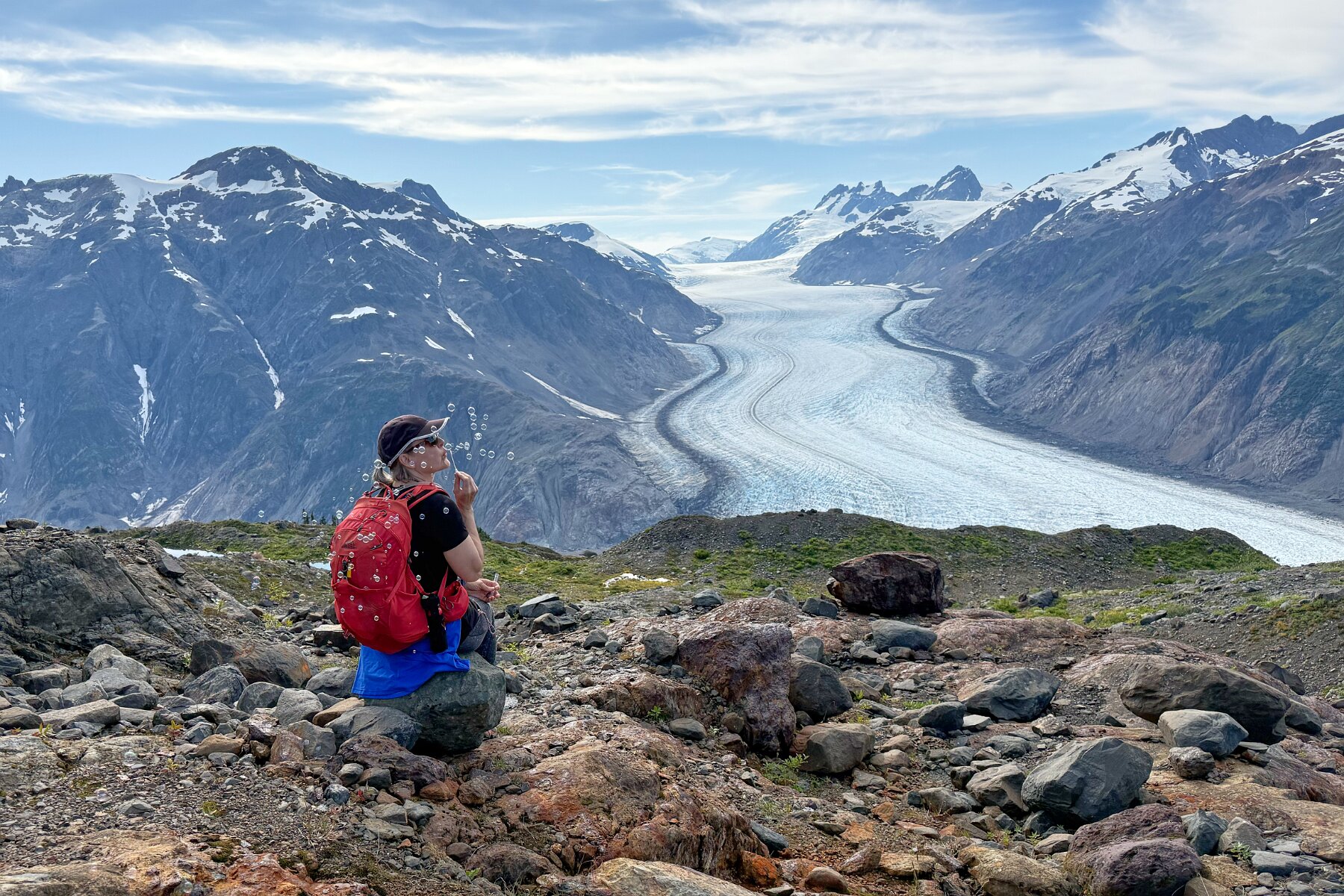
In view of the Salmon Glacier

That night we did luck out and get to see a grizzly bear make her away along the creek apparently looking for just the right salmon to feast on.  The next morning, well before sunrise, we were among the first to arrive and once again got to watch the same bear.  After these two successful sessions, we decided to move on and follow the Stewart-Cassiar Highway on north to the Yukon.
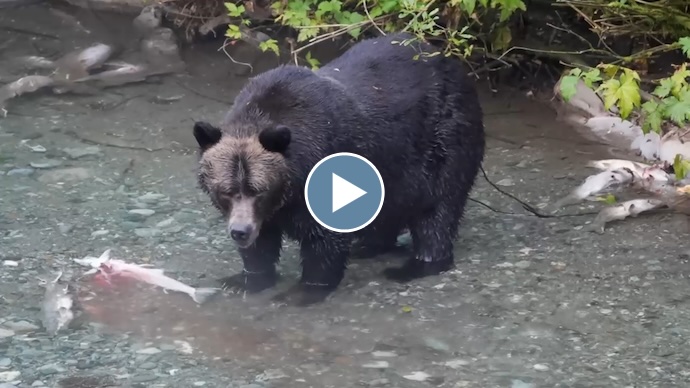
Grizzly (brown bear) at Fish Creek near Hyder, Alaska

The northern part of British Columbia is seriously remote and there are few opportunities for sightseeing, at least not by any roads.  We did make another multi-day detour down a very long stretch of unpaved road to see and bike along the accessible part of the “Grand Canyon of the Stikine”.
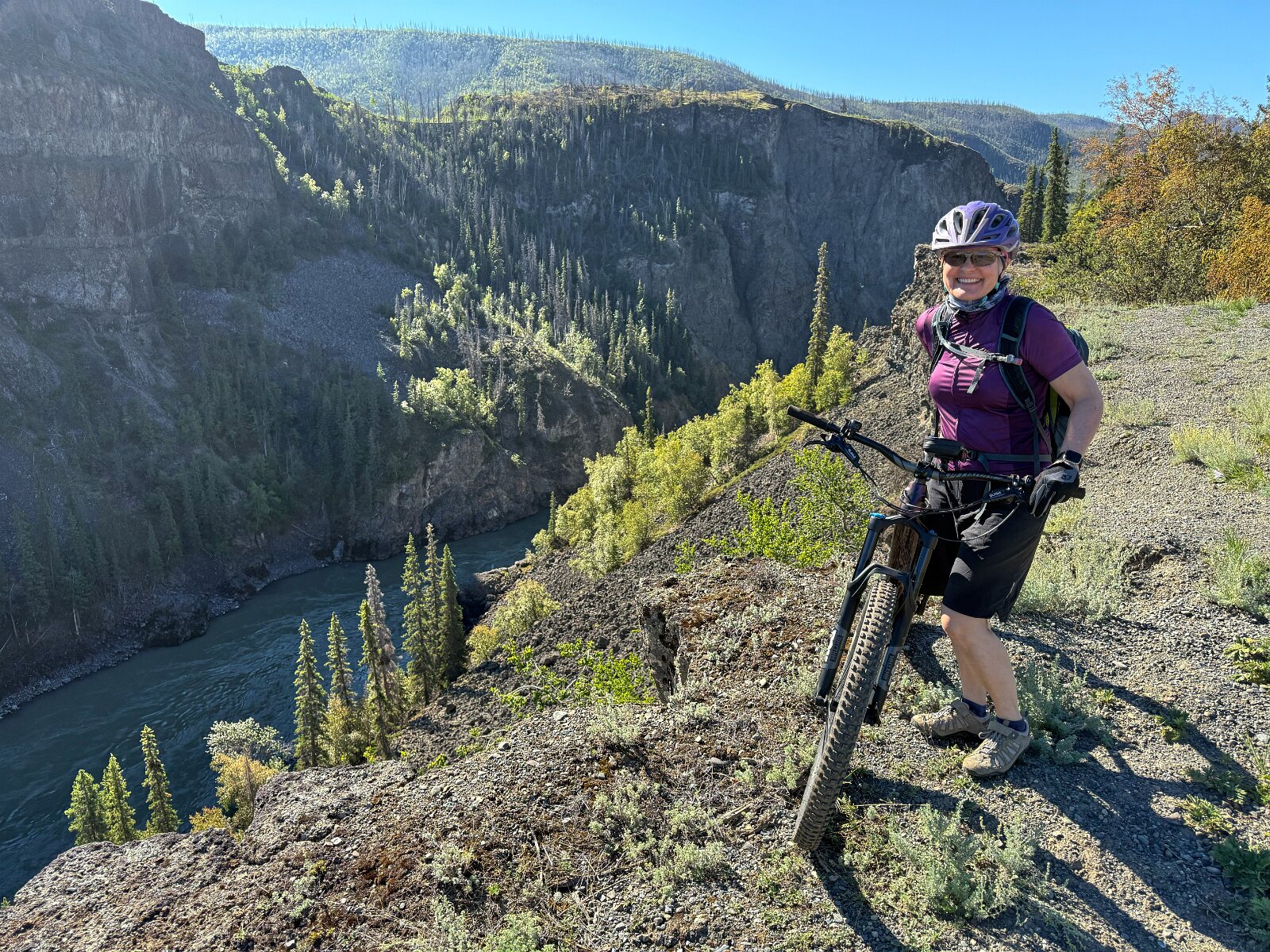
Stikine River Canyon

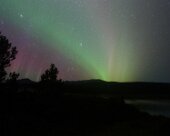
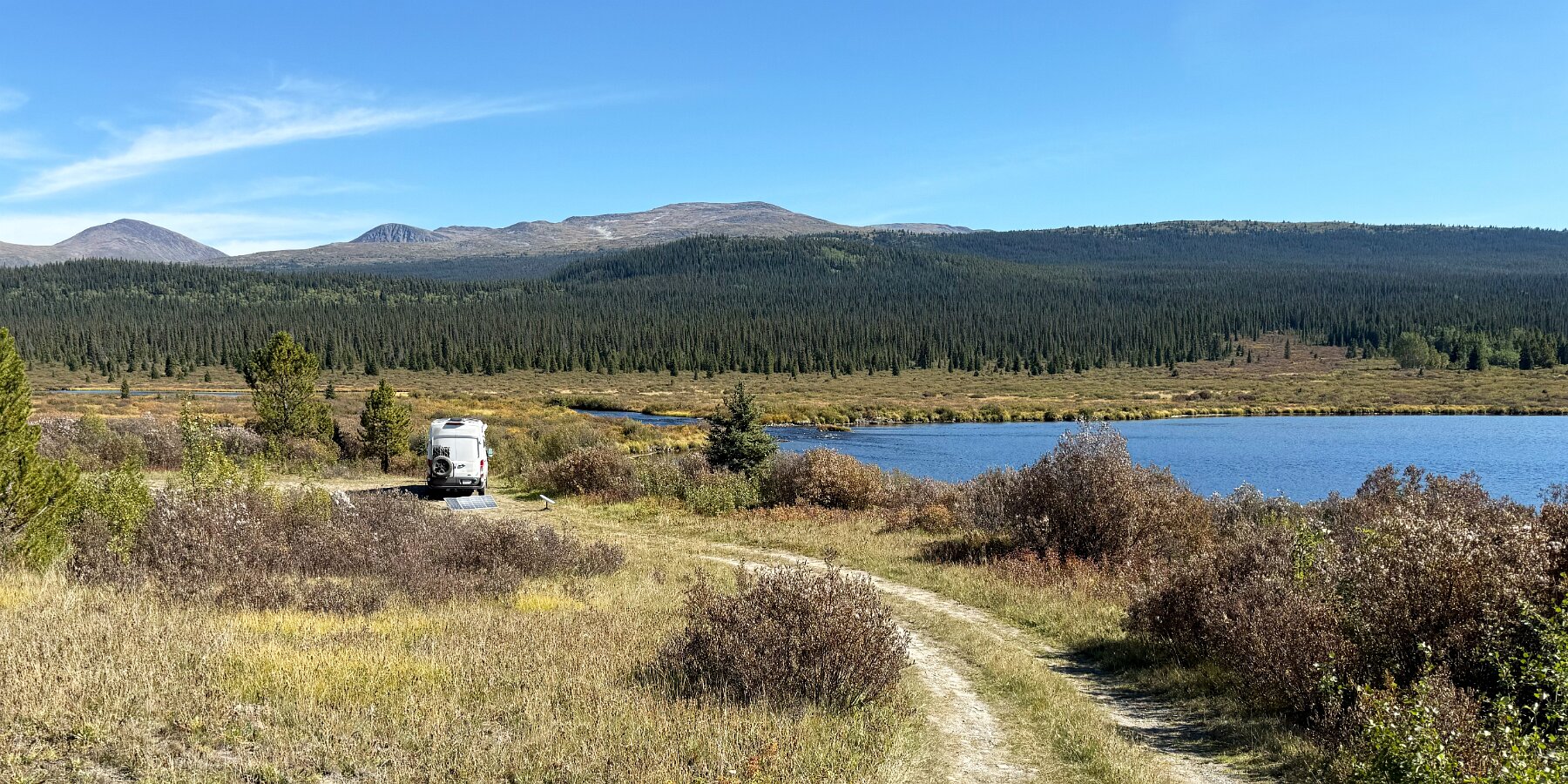
Continuing north along the Cassiar Highway, we eventually joined the Alaska Highway (or ALCAN) to head further west towards the Yukon and Alaska.  Then we took a detour south again into British Columbia to visit Atlin Lake and found a really nice wild camping spot alongside an unnamed lake on Fourth of July Creek near the McDonald Lake Recreation Site.  We stayed two nights, did a little hike towards the nearby mountains but didn’t go very far and had a nice little auroral display one night.
Returning to the Alaska Highway, we decided to make an extended side trip down to Skagway.  After that we eventually reached Whitehorse where we stayed in a hotel for a couple of nights, checked out some local museums and exhibits (particularly on the Klondike Gold Rush), ventured out on some local mountain biking trails (there’s tons around Whitehorse) and went to see Miles Canyon.
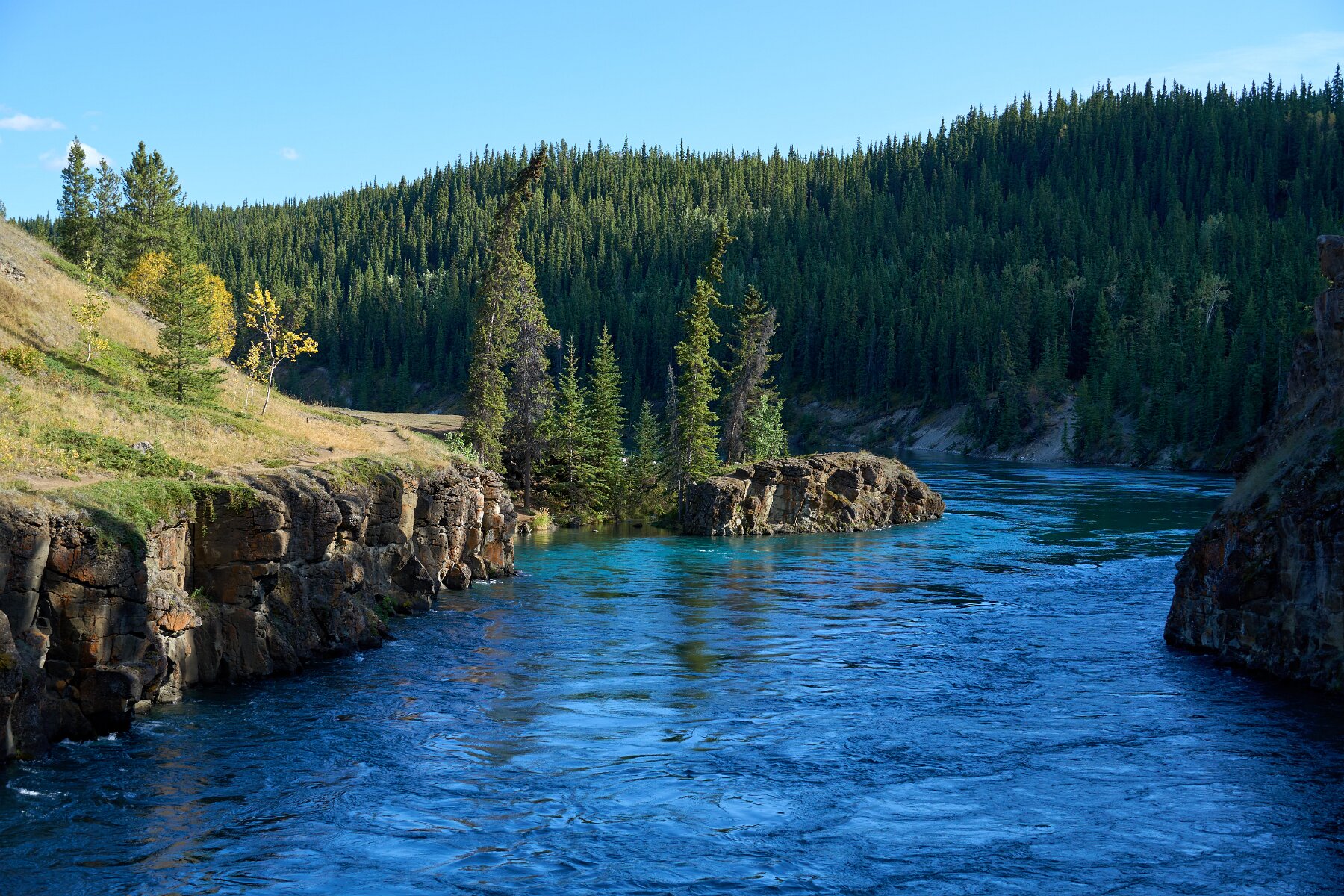
Miles Canyon outside Whitehorse

After Whitehorse, we continued west on the Alaska Highway towards Kluane National Park.

Click through for the full gallery:
   

Mirrors, Dunes, Clowns and Mines

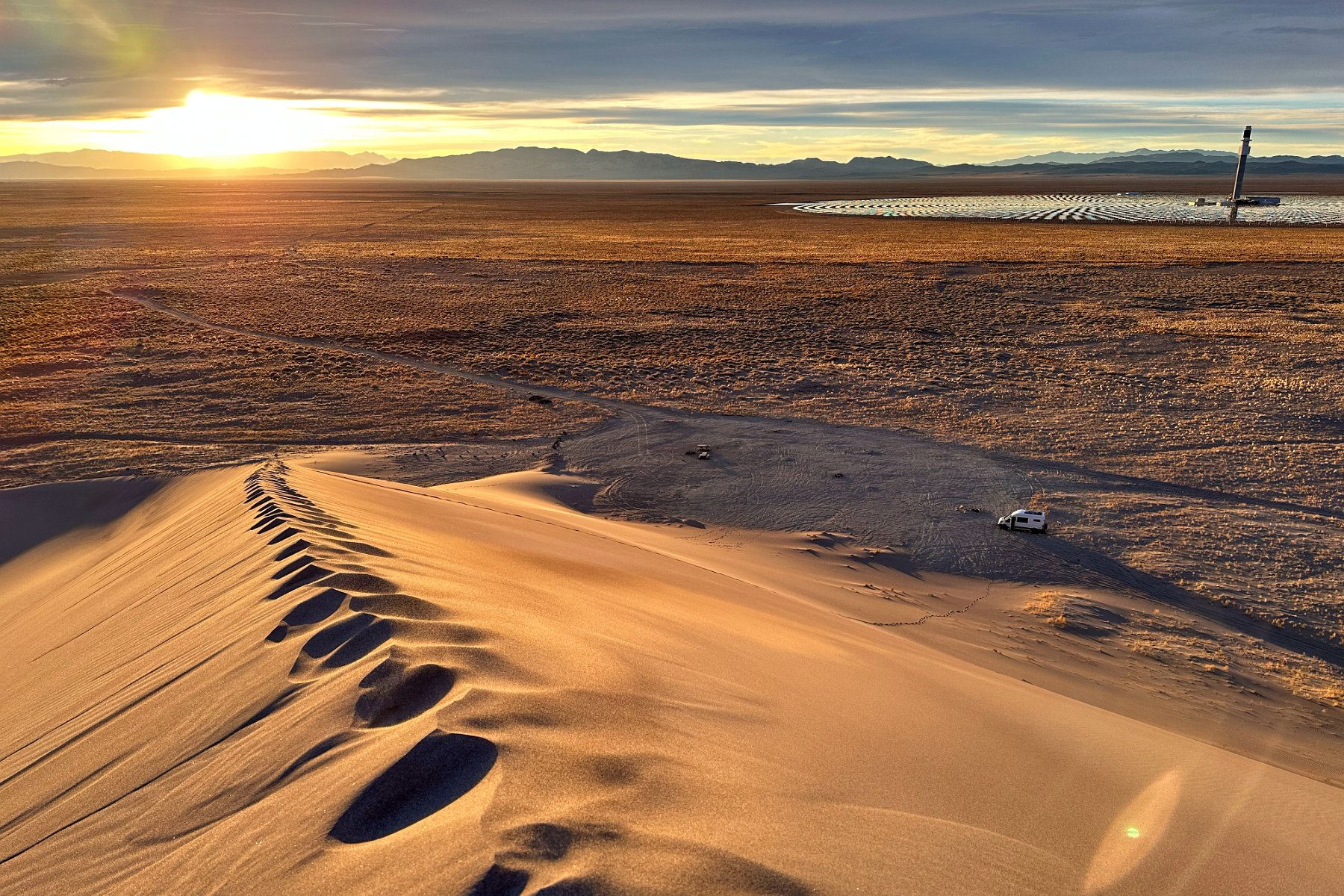
To continue our road trip down SR95 in Nevada, we returned from our Berlin ghost town detour and camped out near Tonopah at the base of the Crescent Sand Dunes, in sight of a solar concentrating power plant:

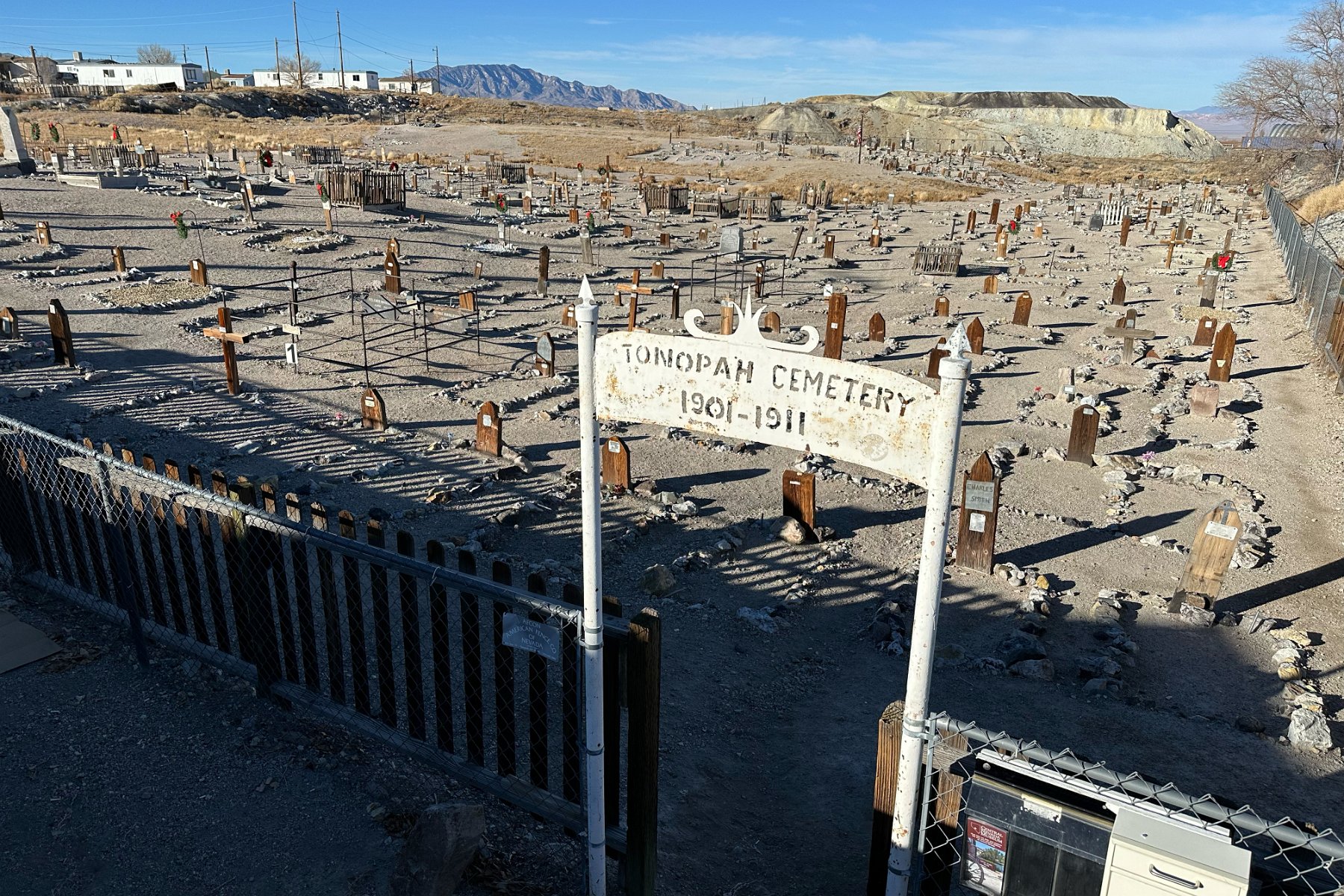
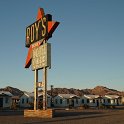
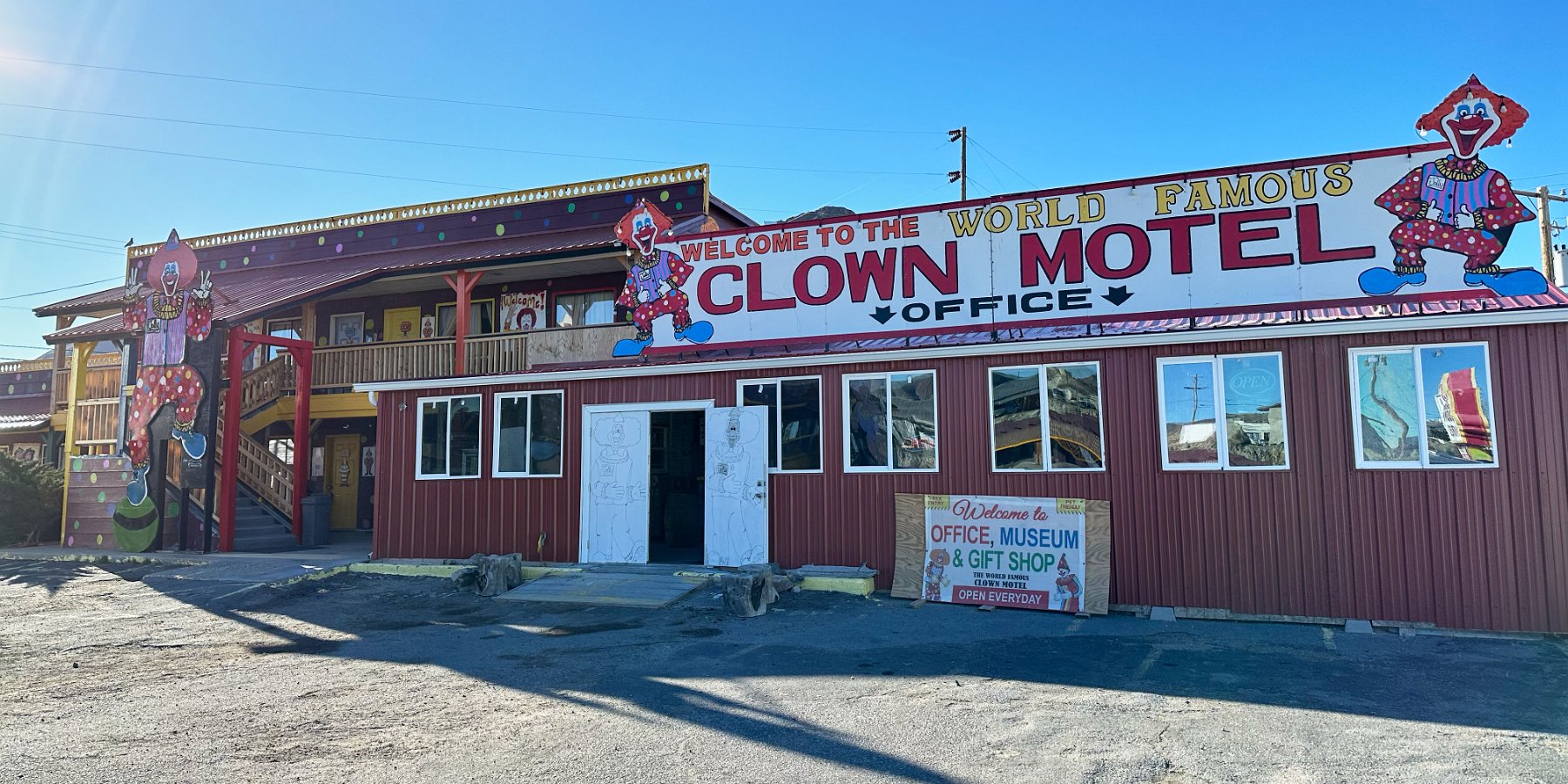
The following day, we visited the freaky fun Clown Motel and the neighboring graveyard from Tonopah’s early mining days:

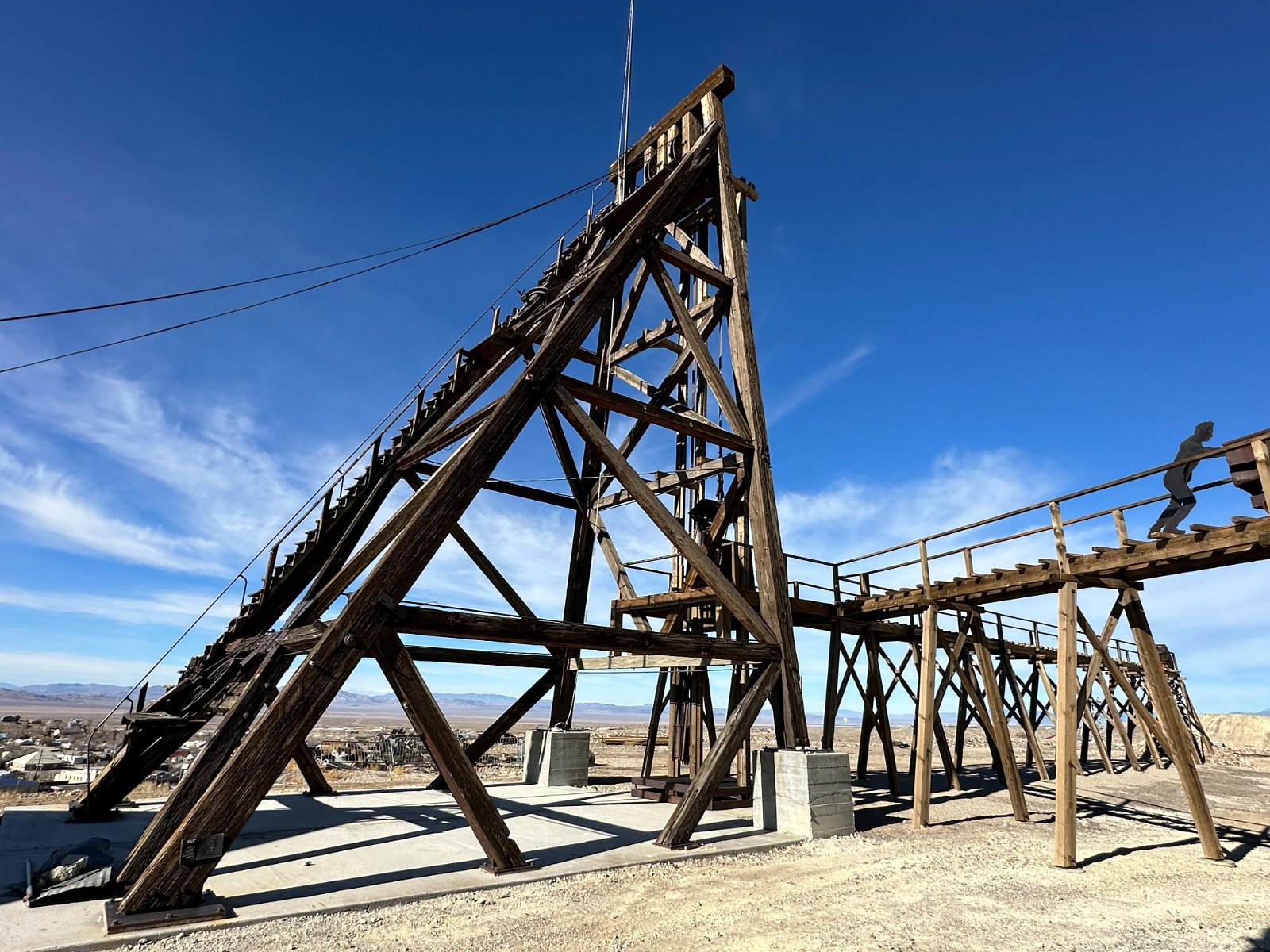
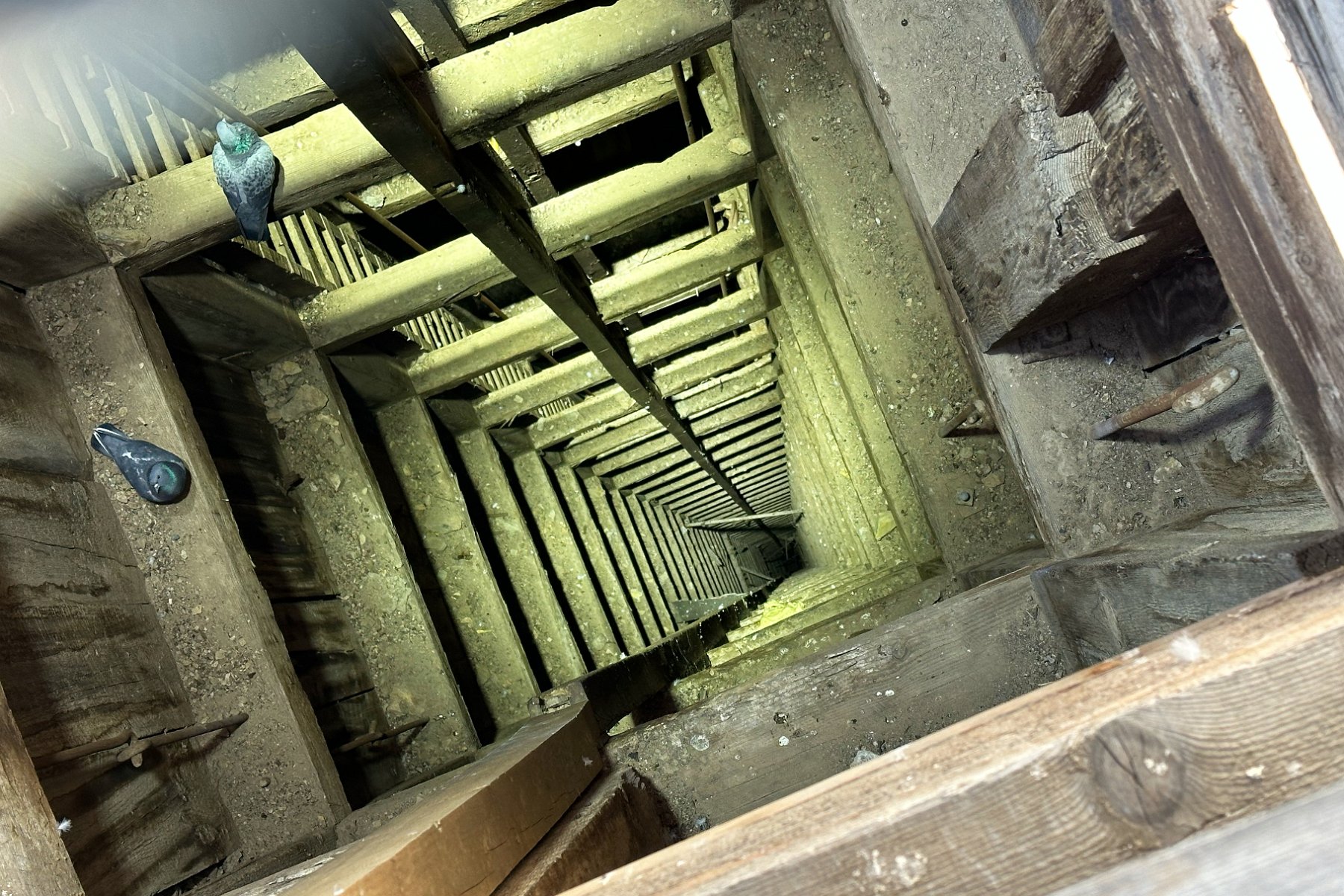
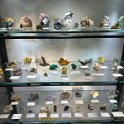
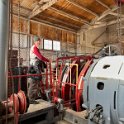
But we spent most of the day checking out the very interesting Tonopah Historic Mining Park:

Click through for the full gallery:


Carrizo Plain National Monument

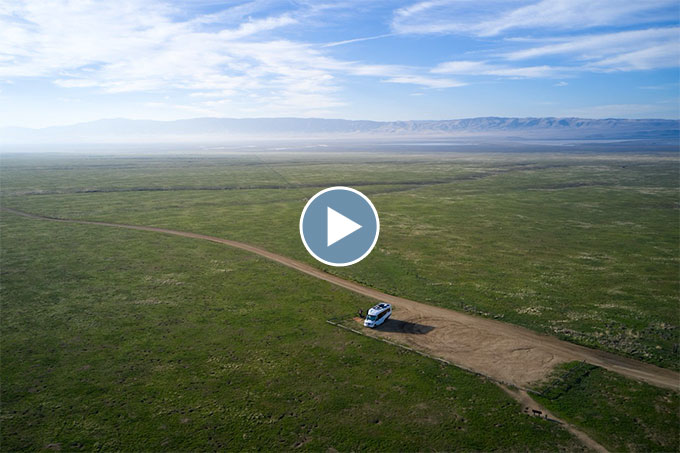
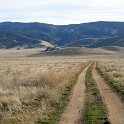
After getting the Traveling Cat Adventure Vehicle back from the repair shop (following my close encounter with a falling tree limb), Darlene and I decided to get in another little road trip.  I found Carrizo Plain National Monument initially as looking like a nice layover point on our planned way to Joshua Tree National Park, but we ended up deciding to spend our four days just there, exploring the hills and valley.

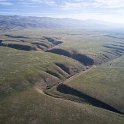
Carrizo Plain is probably most known for many illustrative pictures of the San Andrea fault cutting across many old creek beds and showing how quickly (geologically) the two plates are moving past each other.  It’s also home to some once elaborate Native American rock paintings, at “Painted Rock”.  Here’s some great side-by-side images showing the terrible damage these rock paintings have been subjected to over the last century.

In the spring, the valley and foothills are often covered in a brilliantly varied carpet of wildflowers.  (See this image search for examples.)

Besides these sights, we got in some hiking, drone-flying and general exploring.  I also brought along my newly acquired digital imaging telescope from Unistellar to see what it can do.

Click through for the full gallery:


Flying Around Mono Basin

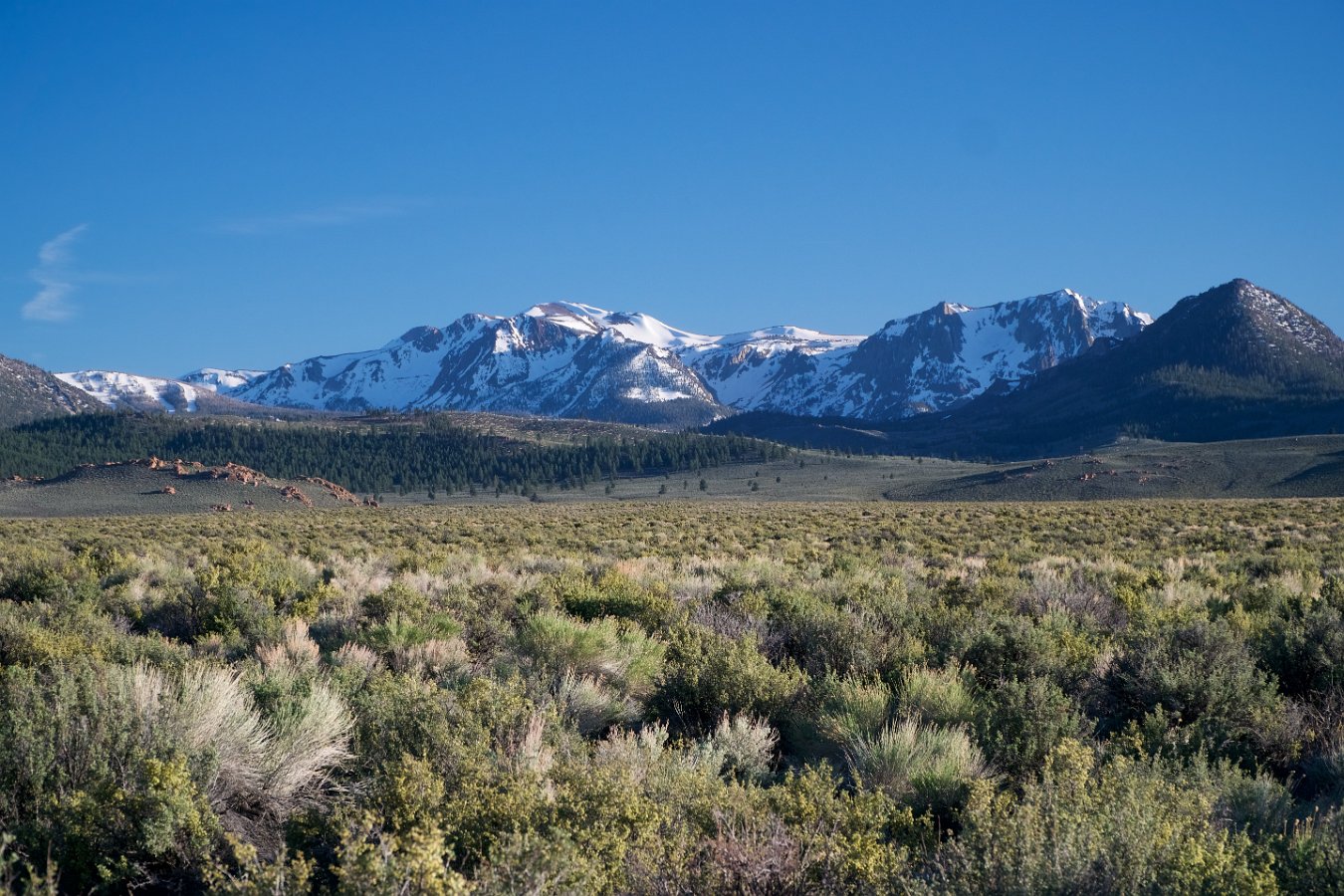
This little road trip to the Eastern Sierra got off to a rough start as I experienced a breakdown in the Traveling Cat Adventure Vehicle far from any service help.  I was on US-395 just past the intersection with CA-108 (still closed from snow on Sonora Pass) when I suddenly felt multiple and ongoing jerking motions from the transmission as it seemingly tried to jump between gears.  I was luckily right in front of a pullout (which are few and far between) and was able to pull off the highway and try to figure out what was going on.  I ended up waiting about four hours as Mercedes roadside service tried to find a tow service before I found I could get the vehicle moving and head back towards Gardnerville and eventually Reno to get the vehicle looked at the next day.  (For more play by play on what happened, see this thread in the Sprinter-Source forum.)  Anyway, after losing a couple of days to dealing with that and then another day back at the Tahoe house fixing the RV’s refrigerator (which had also started acting up), I eventually headed out again.

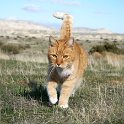
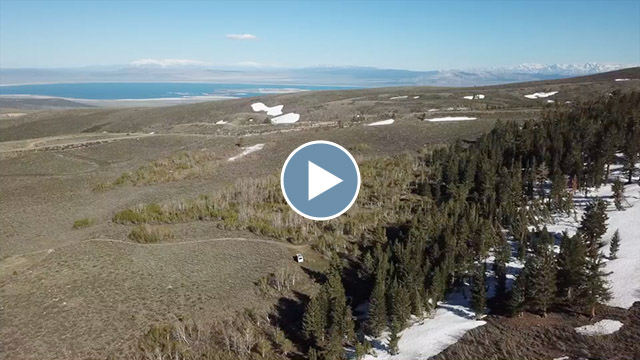
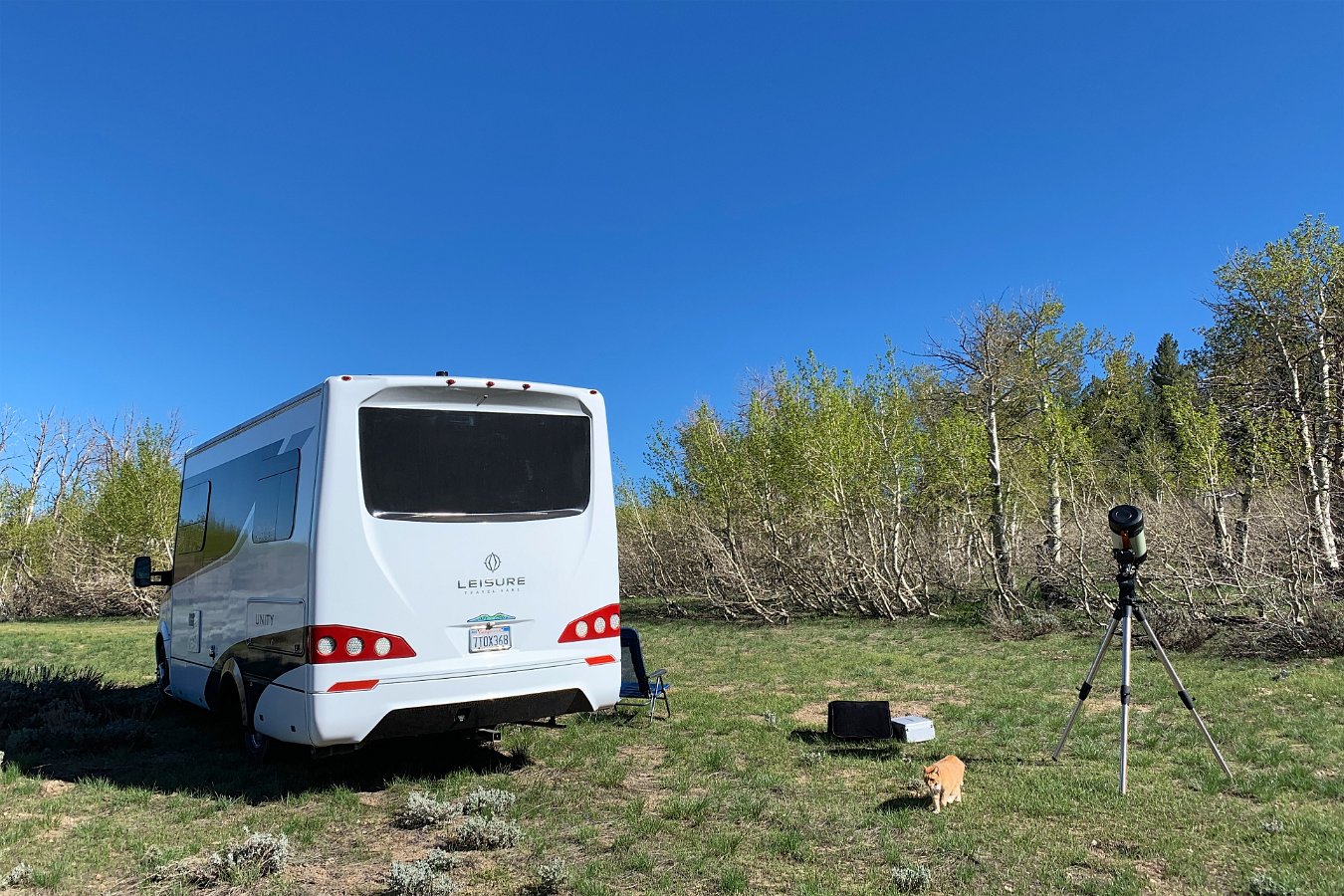
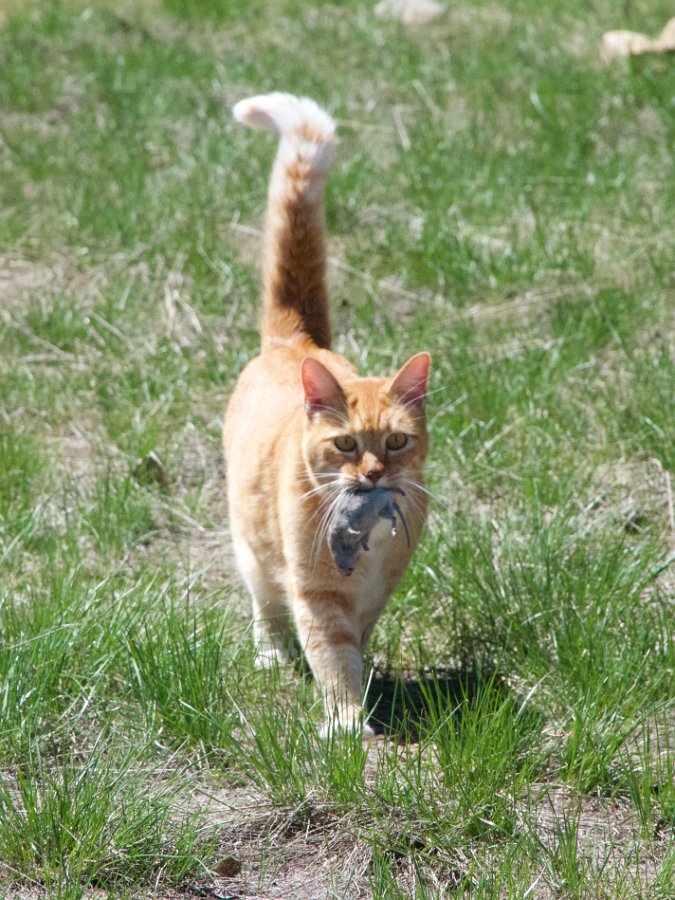
I was going to meet up with Hoan and his family in Mammoth Lakes but they ended up bailing out and so I spent a few days in and around the Mono Lake basin.  The first night was a little off road on the way up to Virginia Lakes after discovering the dirt roads any higher were still blocked with snow.  Still it was looking to be a lovely high altitude spot for star gazing with my telescope – until after setting everything up I realized I had forgot to pack my counterweight – making it mostly unusable.  D’oh!  Still it was a nice spot to fly the drone around a bit with Mono Lake visible in the distance.  And Pan caught himself a mouse. ;-)


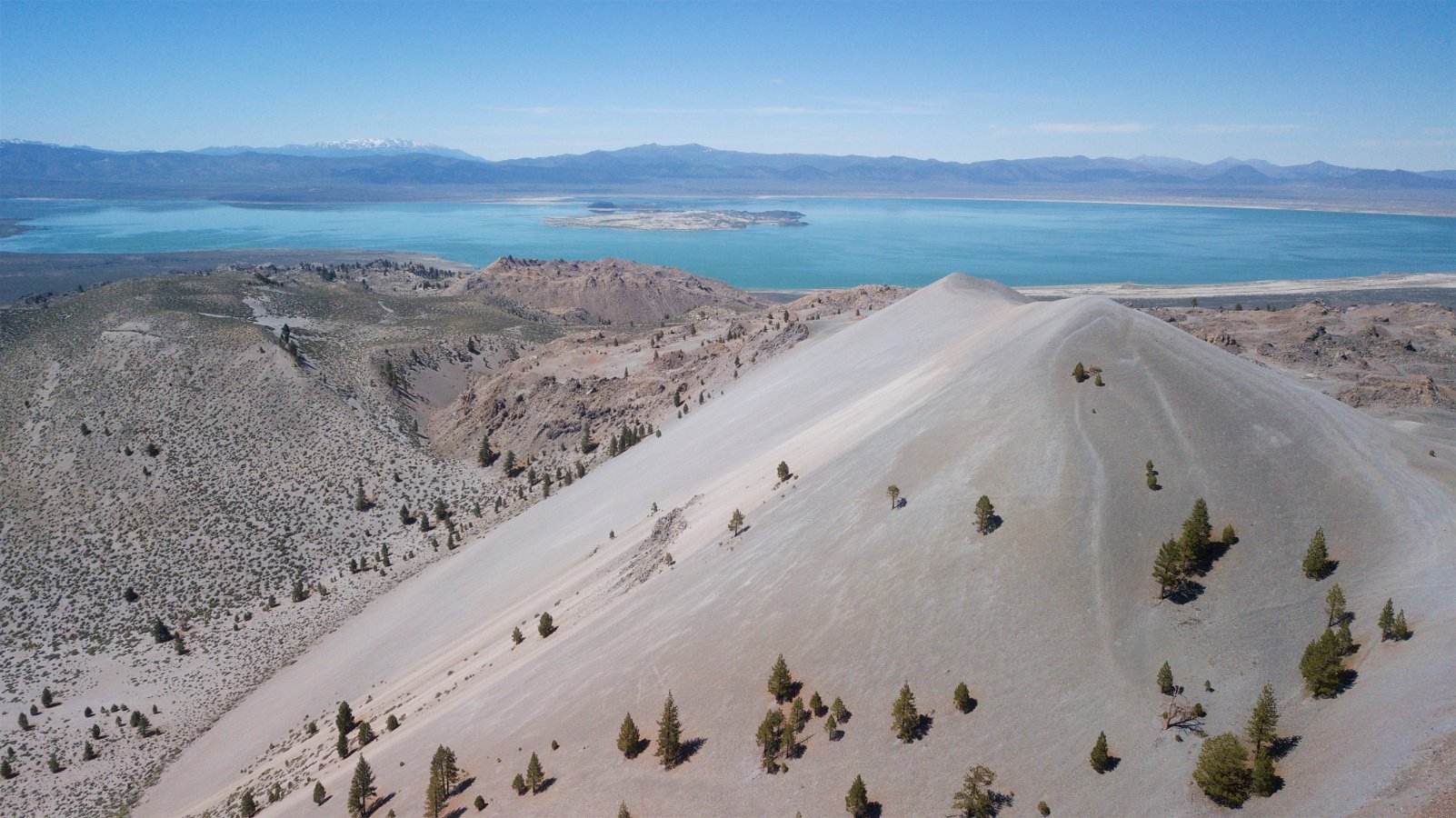
The following day I dropped down into the Mono Basin and went off roading a bit to get near the Mono Craters to go exploring on foot and in the air.  (I wasn’t going to try take the Traveling Cat Adventure Vehicle up the slopes of the craters!)  My cross-country hike turned out to be much more difficult than expected as it was really tough just getting up a step or two without slipping back on  the steep scree slopes.  But my, such a lovely and fascinating view over the top by flying the drone!


The last day involved some more exploring and flying near Grant Lake – and I found myself pushing the vehicle climbing on some just barely passable rough dirt roads.  Once again, I’m really looking forward to downsizing to a much smaller and more capable off-road van.  After getting out of there without mishap, the return trip involved backtracking north on 395 to highway 88, Monitor Pass and Markleeville.  Tioga Pass was still closed and Sonora Pass and Ebetts Pass would be a really bad idea for a 25 ft. RV!  Carson Pass was lovely and snow capped all over on the way back though.

Click through for the gallery.

Joslyn’s Visit

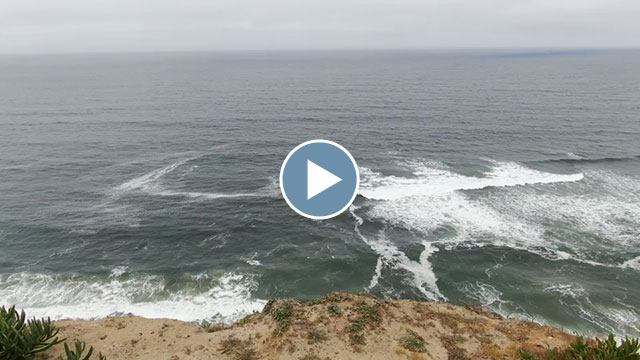
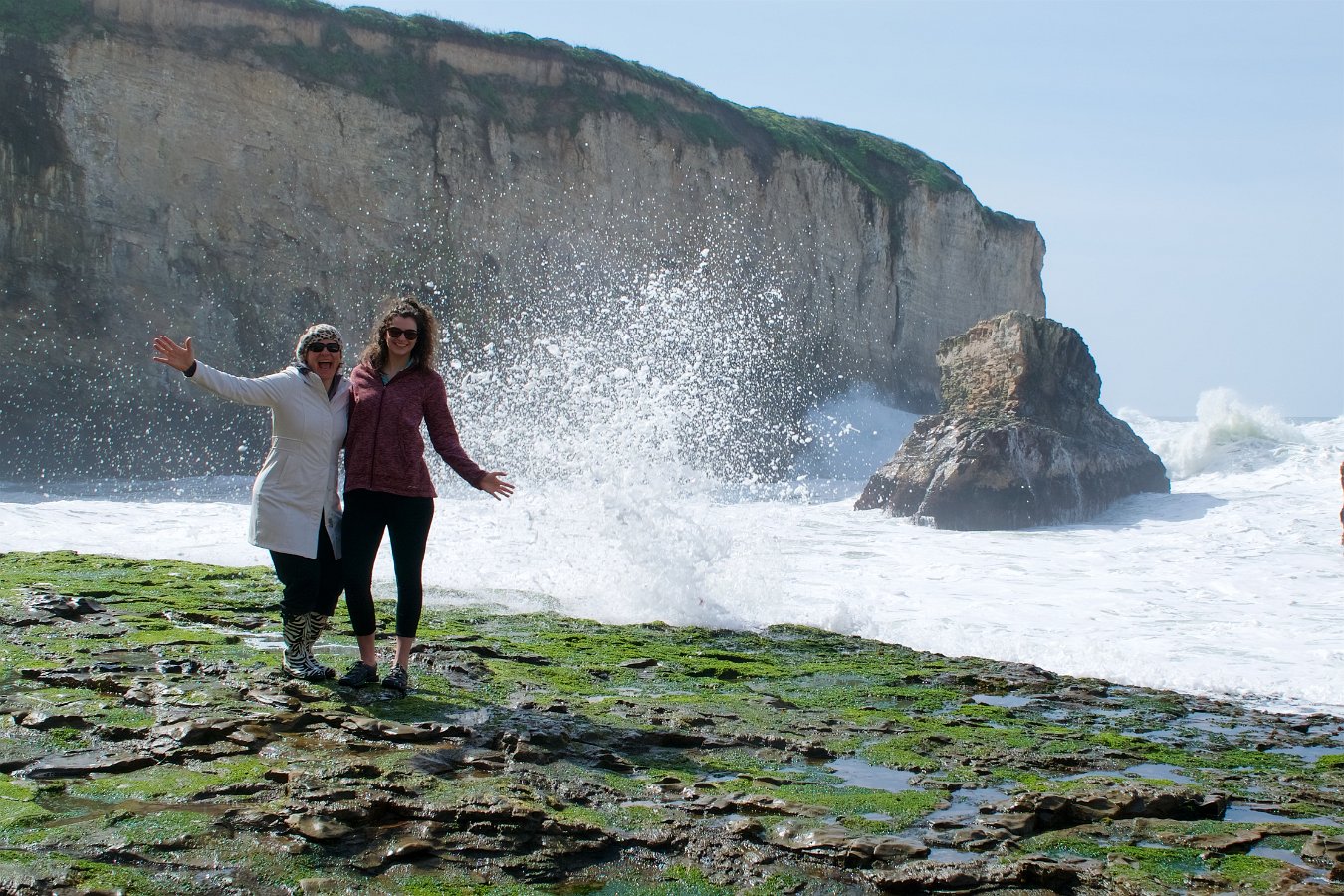
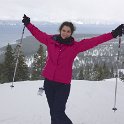
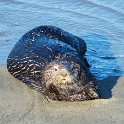
Darlene’s niece, Joslyn, came out from Wisconsin for her spring break from school and I think we managed to fill her time here.  We visited Shark Fin Cove, Pigeon Point Lighthouse, the Seymour Marine Discovery Center and saw dolphins while flying the drone from the sea cliffs near Pescadero.  We spent one morning to see the redwood trees at Henry Cowell State Park and a deserted Roaring Camp Railroads.  We introduced her to the sea otters at Moss Landing and got in a guided walk at Año Nuevo to see the elephant seals (lots of weaned pups at this time of year) and she and Darlene stayed overnight at the Monterey Zoo and fed the elephants.  Besides a couple of movie nights and several interesting board games, we also went up to Tahoe for three days so she could learn to ski – and she was careening down the mountain in no time!

Click through for the full gallery:
     

October Road Trip

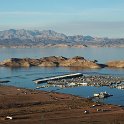
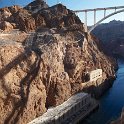
I made a number of additional miscellaneous stops on my October road trip with Pan and Hera in the Traveling Cat Adventure Vehicle, including along a section of historic Route 66 in the Mojave Desert, on the road in northern Arizona and southern Utah, mountain biking outside of Zion National Park, and taking the tour of Hoover Dam.  This was over the course of two weeks (October 4th-19th, 2017).

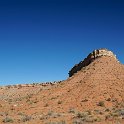
Mojave Desert outside of Baker, CA
Looking down Hoover Dam

Click through for the full gallery:
     

Here are the other separate galleries for this trip:
And here’s a video montage of my drone flights over the trip, including my last flight where I lost control, crashed and was forced to leave it behind:

What happens when the Mavic Pro doesn’t have GPS lock and you’re too high for the down-facing optical sensors to work is that the Mavic becomes unable to hold its position and it starts drifting all over the place.  I was trying to compensate and keep it away from the walls but I was not at all successful.  It almost crashed into one wall but halted itself when it’s forward-facing sensors detected the wall.  As it started drifting towards the opposite wall, I had just decided to try to get it up and out of the shadow of the canyon entirely to hopefully gain GPS lock and regain control but it was too late – and this time it wasn’t facing the wall and didn’t detect it.  It crashed and fell to a point immediately below me.  While it was only like 35 feet down, it was a sheer drop with only a couple of narrow soft ledges.  Without rope and climbing gear, I would have been risking my neck to try to retrieve it.  Yeah, very sad to have to leave it behind, though it looked pretty busted up anyway.

A Total Eclipse of the Sun

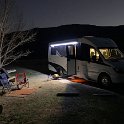
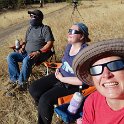
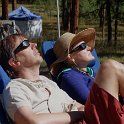
Darlene and I managed to meet up with Glenn, Michele and Seaerra in Eastern Oregon this past week to experience the total solar eclipse together.  We snagged a nice dispersed camping spot in the Malheur National Forest in an area I had scouted out back in June and we arrived four days early to get ahead of any potential crowds.  As it turns out, we were in a remote enough area to only see a scattering of other campers.

We were also very lucky with the weather as there were a number of distant wildfires filling the skies with smoke days before and then it turned cloudy Sunday afternoon.  But on Monday, August 21st, the day of the eclipse, we had clear blue skies!  (And smoke-filled skies the very next morning.)

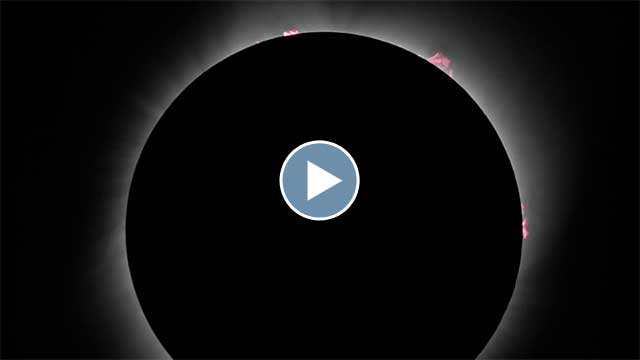
A short video montage of the eclipse viewing experience (2.5 minutes)

And yes, seeing a total solar eclipse is truly an amazing experience.  There’s the hour or so of build up beforehand as the light turns queer and dim and the heat of the sun fades away but then, as the last thin crescent splinter of sunlight disappears, you pull off your eye protection and… boom!  The sun’s gorgeous corona suddenly appears streaming all around the pure black disc of the moon.  It’s an incredible sight to behold.  The sky was dark enough to reveal a couple of planets and a few brighter stars.  The sky doesn’t go completely dark because of both the sun’s wispy corona and scattered sunlight from 35 miles away or less in every direction, outside the shadow of the moon.

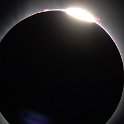
The view was entirely captivating but, before we knew it, our two minutes of totality was already ending: a small bright bead of light starts to form which quickly brightens to create the stunning “diamond ring” effect.  And then back on with the solar filters and glasses.

I had several cameras set up and recording different perspectives: one with a telephoto lens, one on a drone hovering out-of-earshot, one focused on the scene of us and one on my telescope to capture a much closer view (an 8-inch Schmidt-Cassegrain with a focal reducer to widen the view) and I’m so glad I did as we were able to see several solar eruptions in progress around the edge.  Gorgeous!

Darlene and Michele also took some nice pics and video with handheld cameras.  Click through for the full gallery of pictures and videos:


Here’s Michele (my sister-in-law)’s take on the experience: Midnight Sun


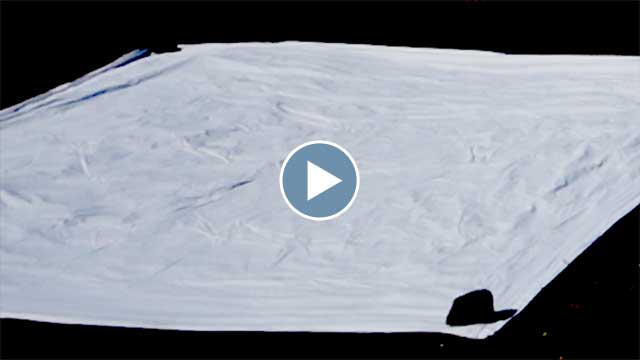
Update:  Somebody asked me about our white sheet spread out on the ground and whether we had managed to see the elusive “shadow bands”.  The answer is no, but this question prompted me to go back to the video that was rolling the whole time to see if I could find them.

They’re supposed to be very faint, thin, moving shadows (aka, “shadow snakes”) that are difficult to see and more difficult to record.  We had looked specifically for them on the sheet about a minute before totality and then of course we were completely distracted by the amazing show in the sky afterward.

However, examining the video recording more closely and turning up the contrast, I think I may have found them:

Shadow bands?