On July 26th, Darlene and I set out in the camper van for a two-month journey across western Canada with the possibility of going all the way to Alaska. The goal was to visit a bunch of their national parks like Banff and Jasper without any particular time constraints. We didn’t have any camping reservations because we didn’t want to have to decide in advance how long we would want to spend in any given area. Of course we expected that would be a bit of a challenge in the more popular parks where the campgrounds tend to fill up and you can’t just camp anywhere in the wild, but somehow we’d manage!
We ended up getting as far as the southwest corner of the Yukon territory before we had to make our way back by the end of September. Two months and 7,658 miles! It was a great trip and we saw a lot of gorgeous scenery and we didn’t get mauled by a grizzly even once!
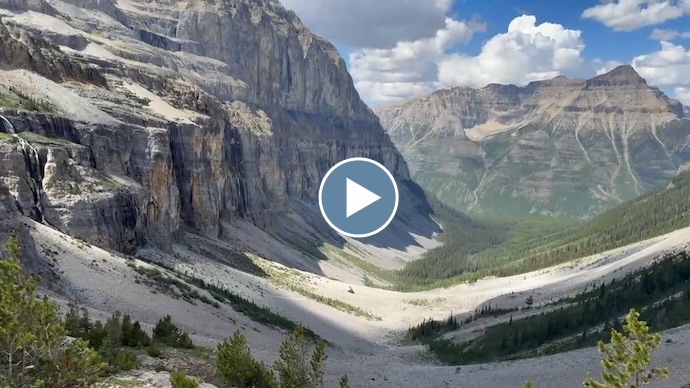
I’ve broken up the trip into separate posts and galleries for each of the national parks and other major travel sections but I created one video montage of the whole trip:
By mid-September it was clear we needed to start our return journey. Since we had come up via the Stewart-Cassiar highway, we chose to return via the part of the Alaska (Alcan) Highway we had yet to see, from Watson Lake on south.
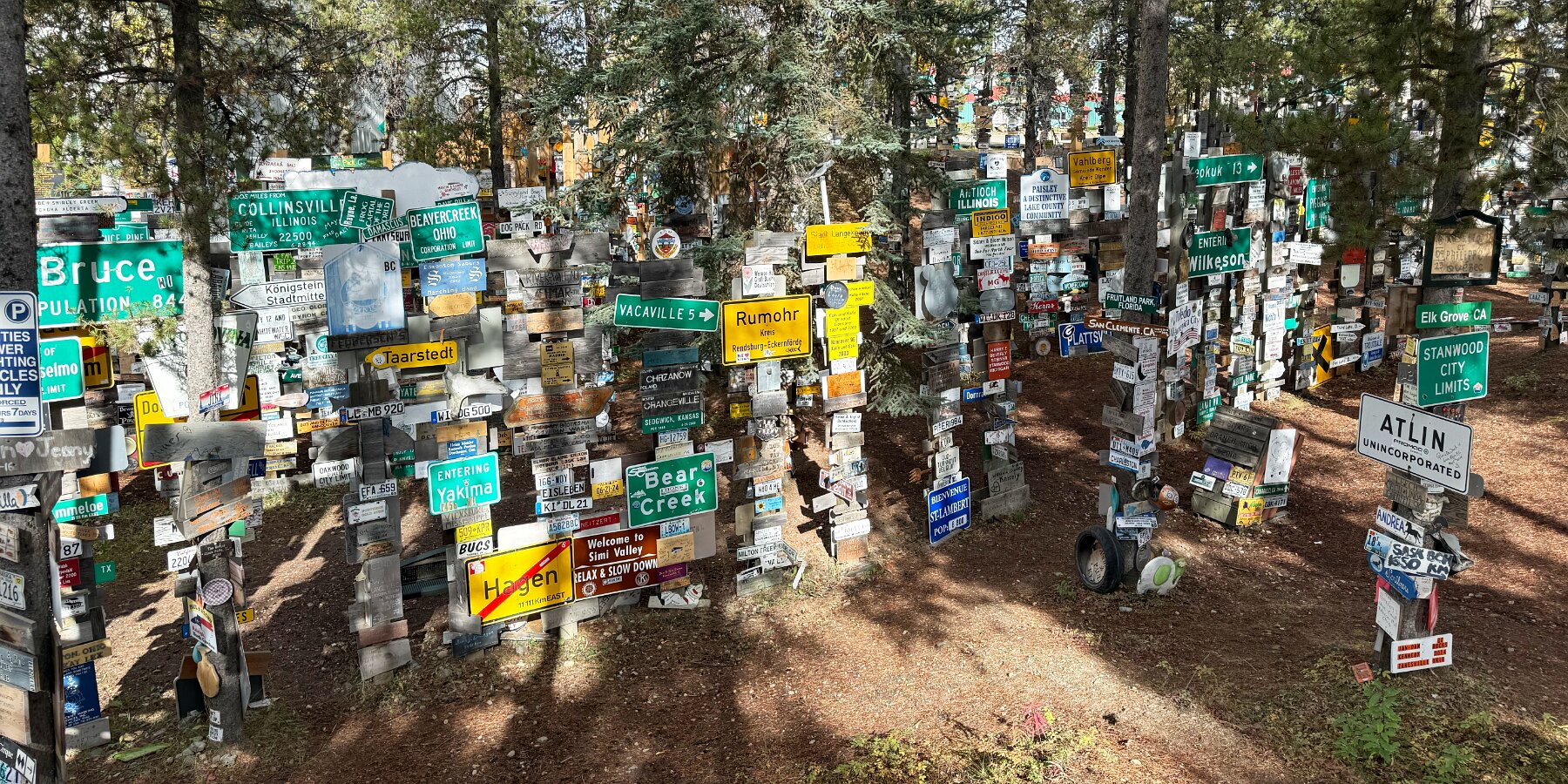
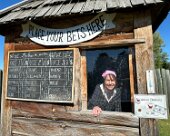
In Watson Lake, we spent a little time browsing the tens of thousands of signs making up the Signpost Forest and Darlene bought something to add to the collection. We also enjoyed the very interesting presentation on auroras at the Northern Lights Centre in Watson Lake. This is where we learned that what we had experienced a few nights ago in Kluane National Park was a full on aurora outbreak.
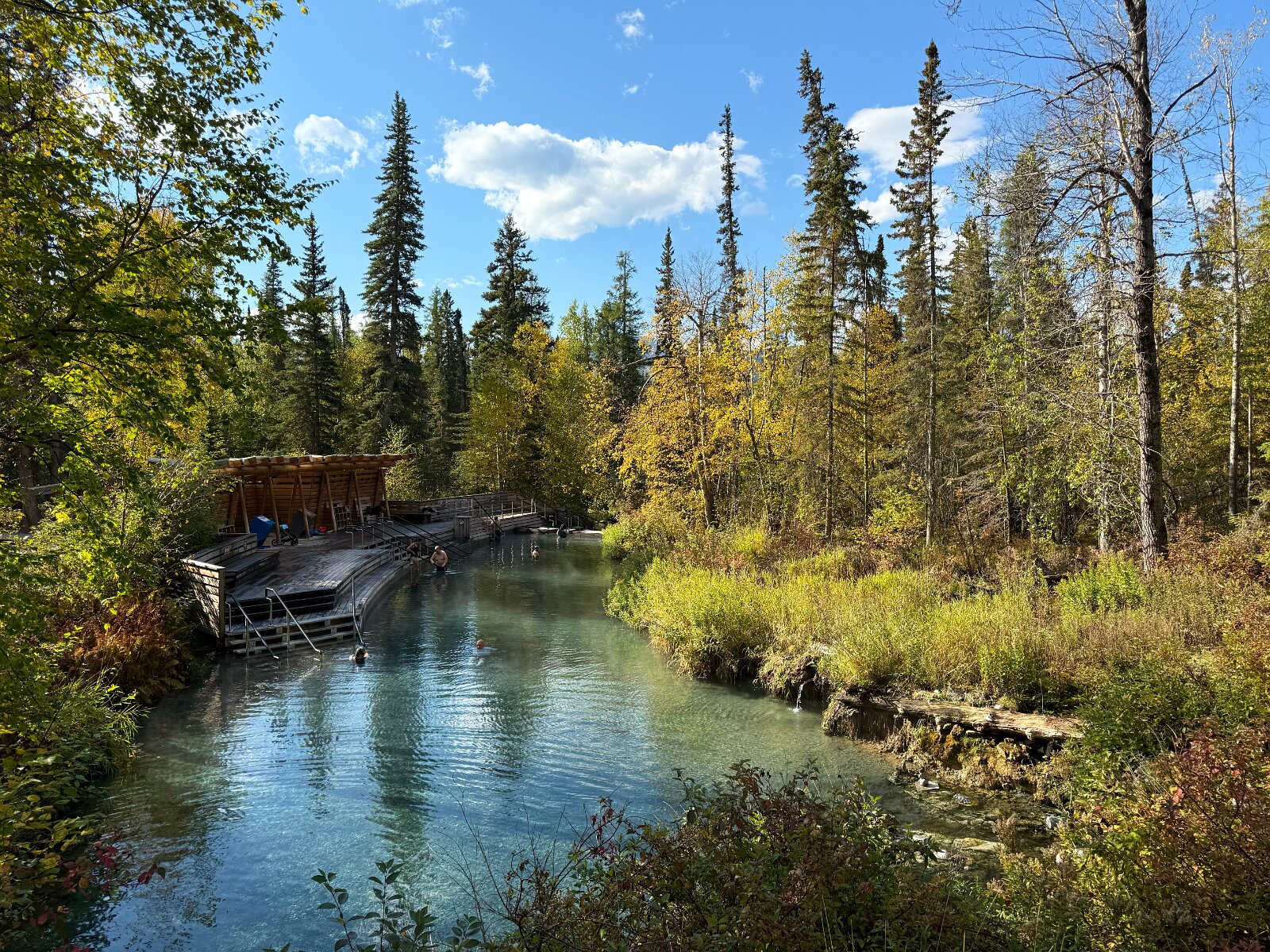
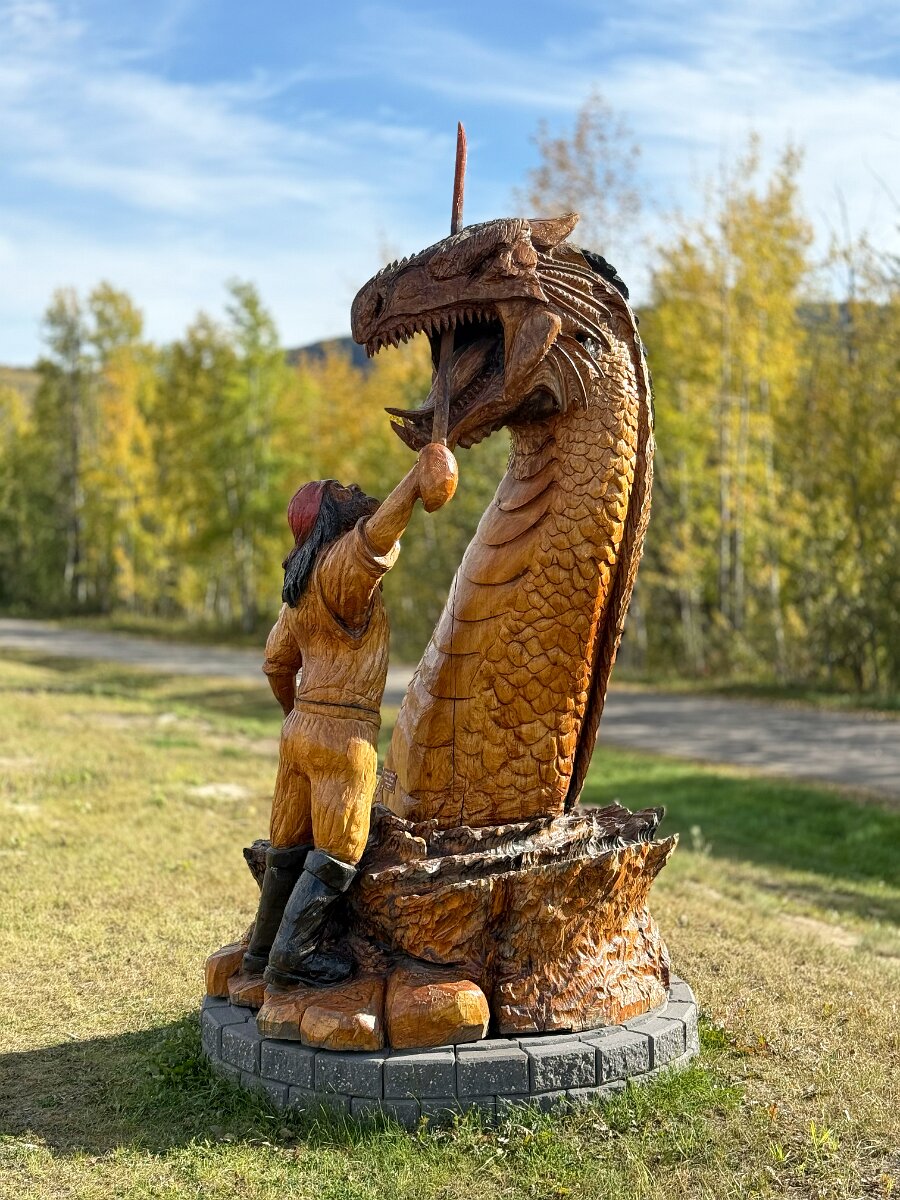
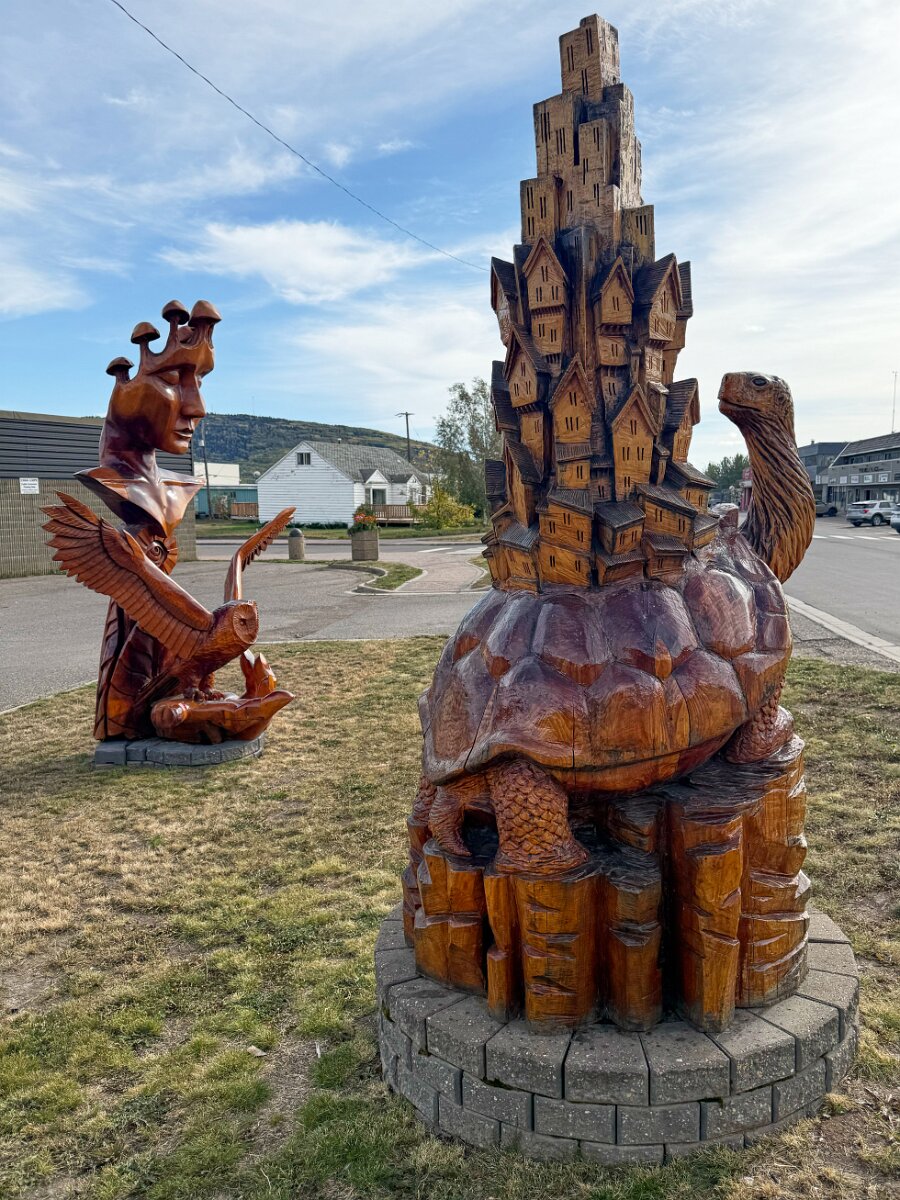
Other stops along our Alaska Highway return trip were to visit Smith River Falls and have a soak in the Liard River Hot Springs. One favorite stop was the town of Chetwynd which hosts an international chainsaw carving championship and there are many dozens of these fantastic carvings spread all around town.
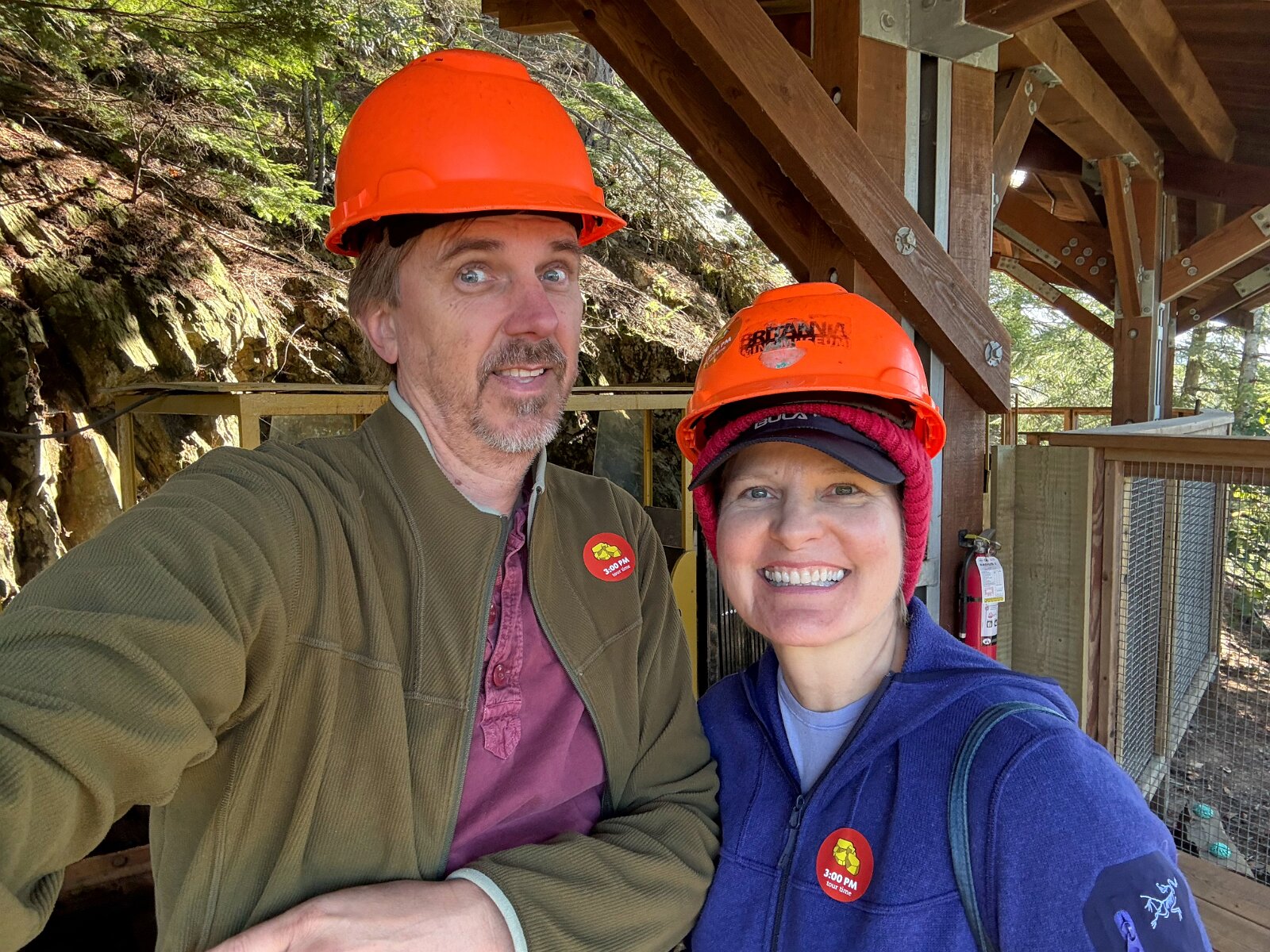
We stayed overnight again in Prince George and took the opportunity to do an oil change and tire rotation – it takes a lot of miles to travel up and down across Canada. Continuing south we eventually joined highway 99 (“The Sea to Sky Highway”), stopping off in Marble Canyon, Lillooet, Nairn Falls, Whistler and Brandywine Falls. We found and stayed at a couple of different overnight sites near Squamish as we checked out the town and the local sights like Shannon Falls and the Britannia Mine tour.
As we reached the end of the Sea to Sky Highway we hit really heavy traffic before we could even get across the harbor so we gave up and found a restaurant and hotel in West Vancouver for the night. And so after two wonderful months traveling around western Canada, we crossed back into the US from Vancouver.
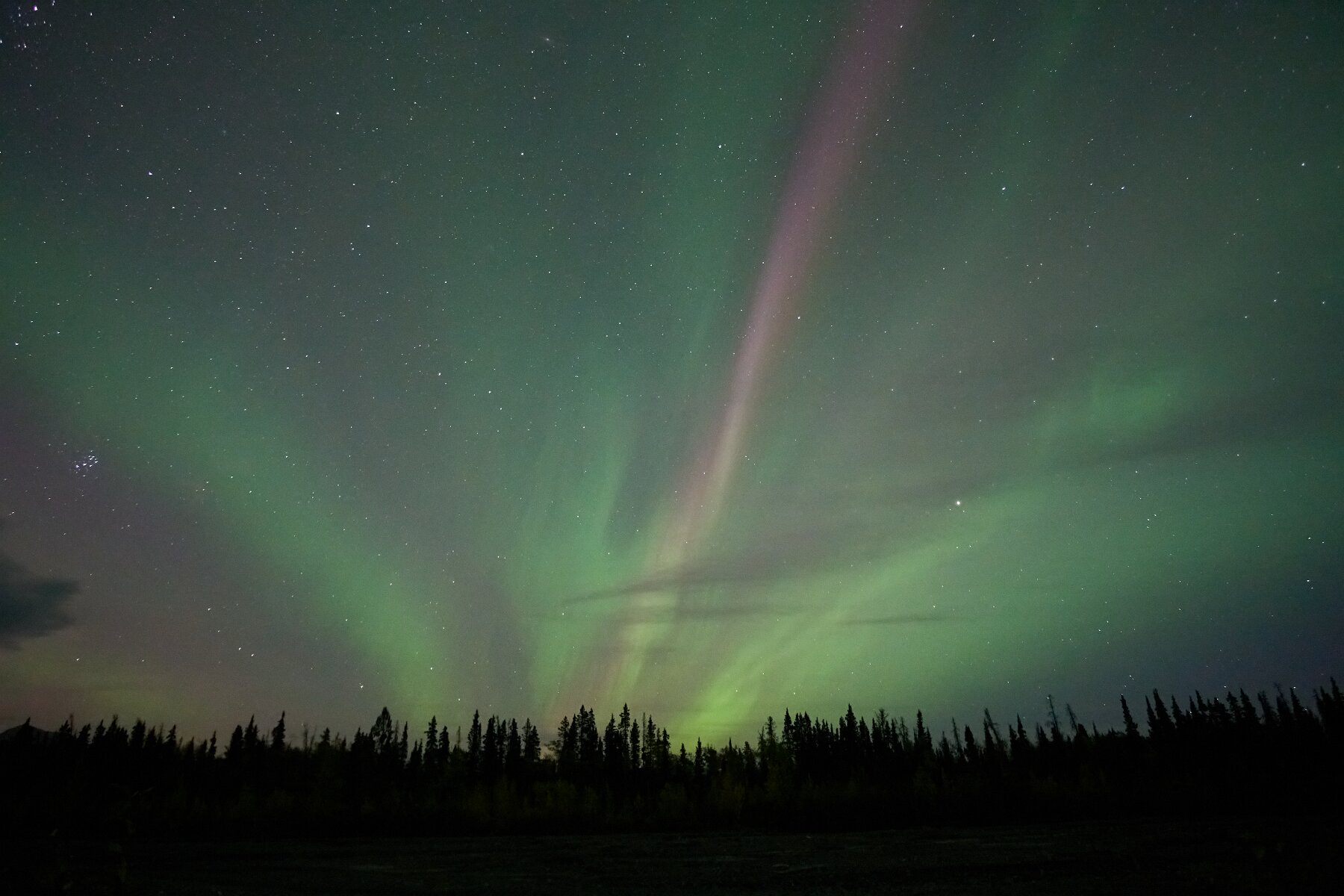
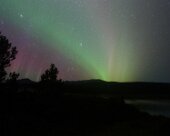
We lucked out one night while in the southwest corner of Canada’s Yukon Territory, just outside of Kluane National Park and Reserve. We had found a nice open sky spot to camp along Quill Creek and since the aurora watch web sites were showing that good activity was expected that night, I set up cameras ready for the usual long exposure time lapse recordings and kept watch. I was using my DSLR, my iPhone and my new Insta360 X5 camera that records in all directions at once (albeit with a pair of smallish sensors). It wasn’t long before we were treated to what began as a really great aurora display. It was really nice, lots of dancing colors in many directions.
It started out as a really nice aurora display…
And then things went nuts! We got what we would later learn is called a full auroral outburst. The whole sky erupted and lit up the ground much brighter than a full moon could. The curtains and swirls of color ran the full gamut of reds and purples and greens and they were moving fast – swirling and cascading around in real time. Normally you would capture an aurora on camera using extended exposures to bring out the colors that aren’t so obvious to the naked eye and you record many frames in time lapse over dozens of minutes to speed up the motion that is typically very slow, much like slow-moving clouds. Well now the whole sky, in every direction, was animating and swirling in full color to our naked eyes. This went on for many minutes… tt was amazing! Unfortunately, my cameras were still running time-lapse and longer exposures while we were so distracted by the light show. But regardless, it was awesome to experience!
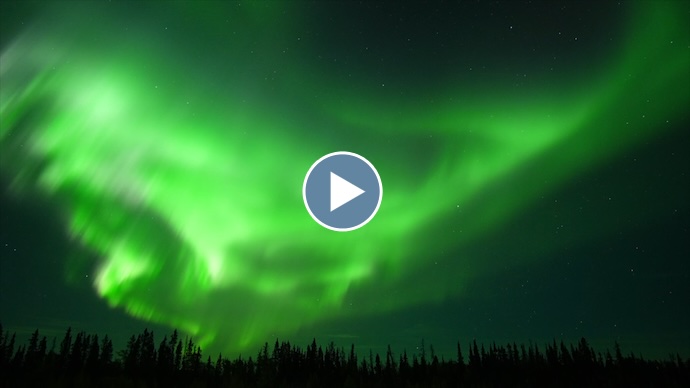
I’ve done what I can with the recordings, adjusting exposure and slowing down the footage so that it doesn’t fly by in mere seconds:
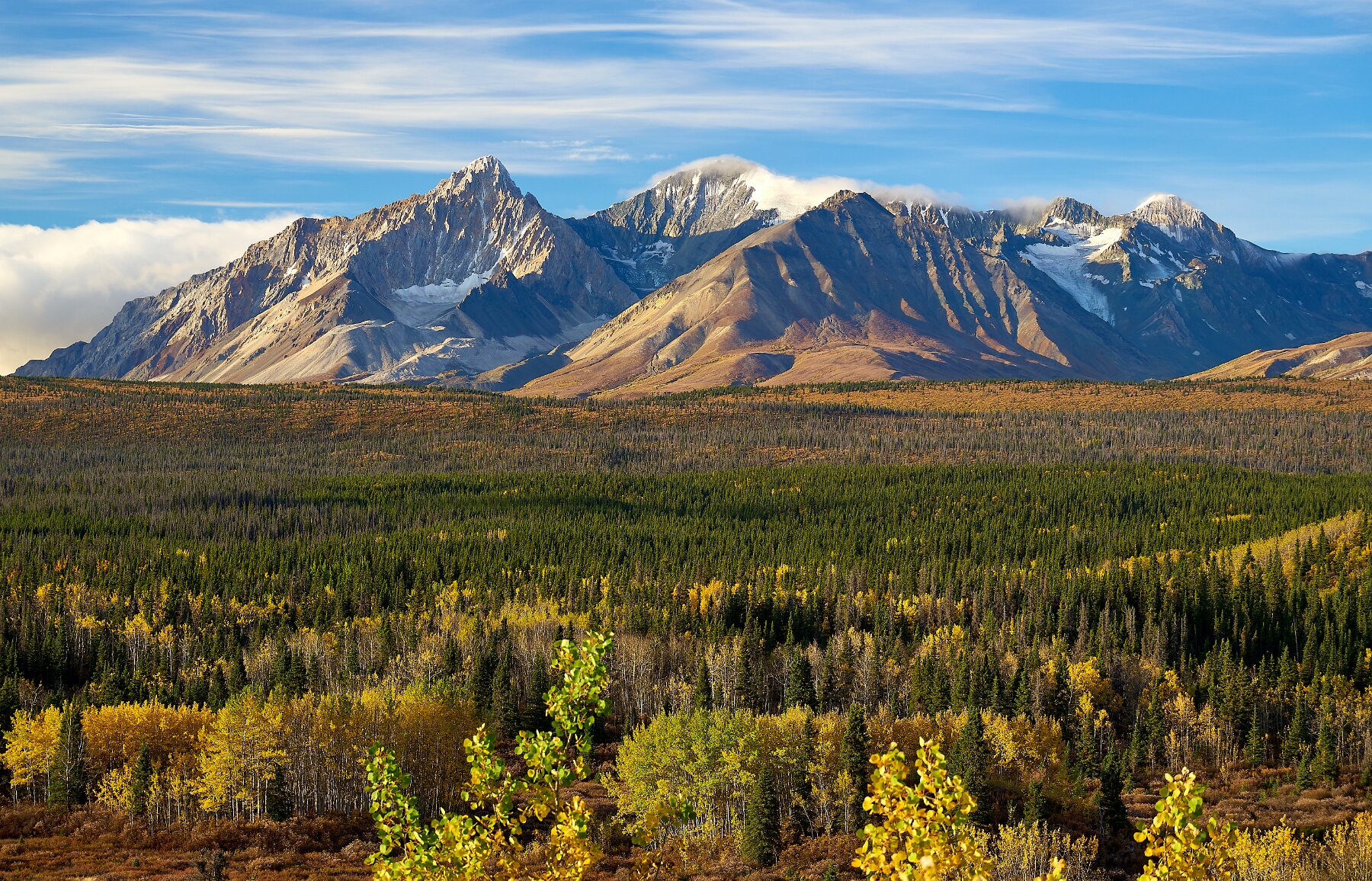
Kluane National Park and Reserve takes up the entire southwest corner of the Yukon territory and includes the Canadian portion of the Satint Elias Mountains – the highest coastal mountains in the world and the highest points in Canada.
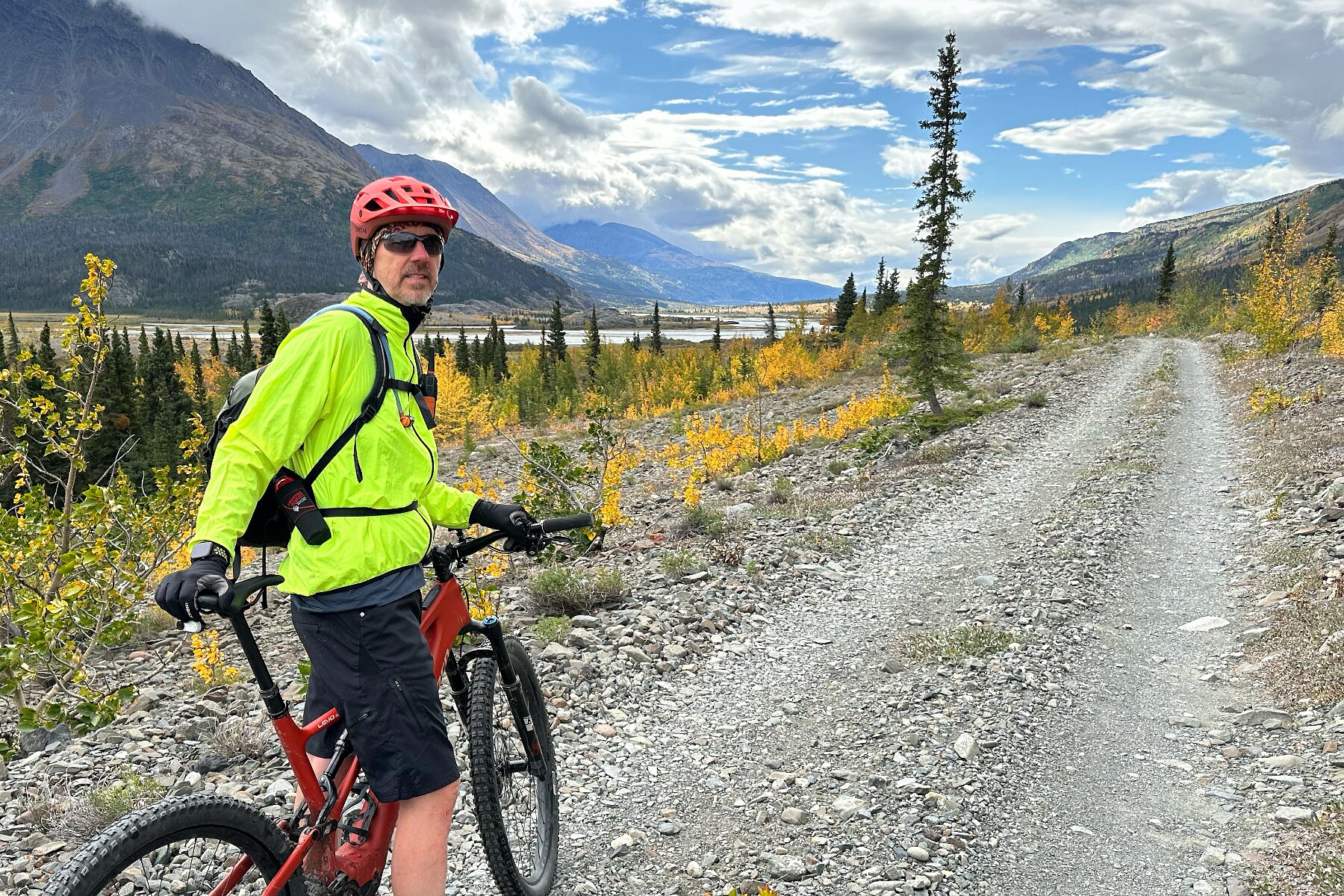
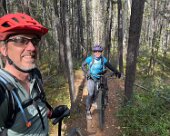
After hitting up the visitors center and talking to a park ranger (“park wardens” in Canada), we opted to start our exploration of the park on the Alsek River Valley Road by mountain bike. We found a nice secluded wild camping spot from an offshoot of that road just outside the park boundary. The next day gave us cold and heavy winds but we set out anyway by bike. We didn’t go as far as I would’ve liked but the scenery was fantastic all the way. That afternoon we had a surprise visit from a local who was out for a walk who chatted me up for a long while.
Following the Alsek River Valley Road
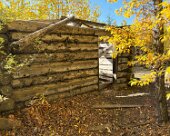
We took off again the following day and explored a little further along the Alaska highway to Kluane Lake, the Ä’äy Chù (Slim’s River) trailhead and the Silver City ghost town. We walked around the ghost town for a bit trying to figure out what we’re looking at – lots of kennels for animals of different sizes apparently. (A fox farm according to this web site.)
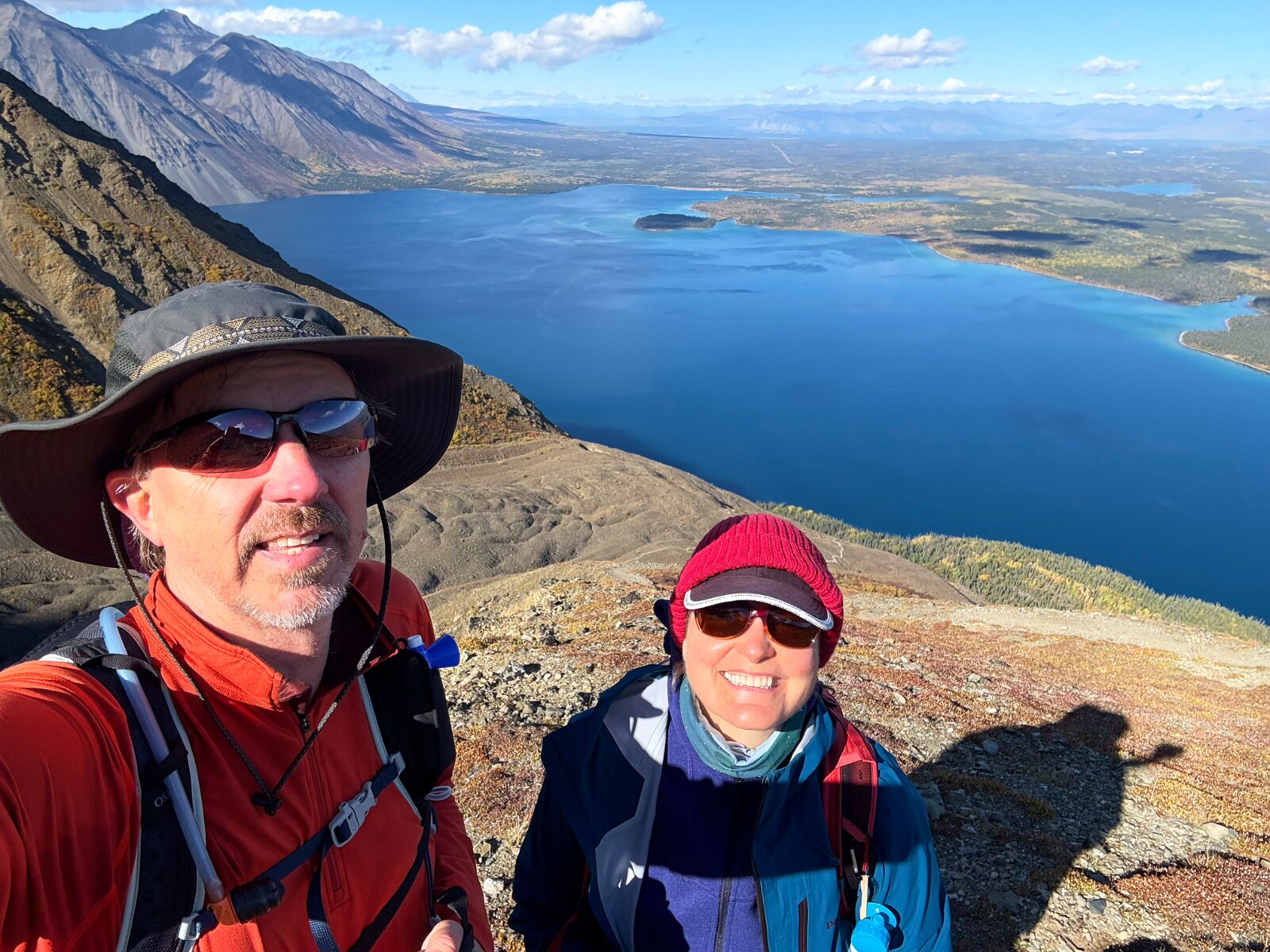
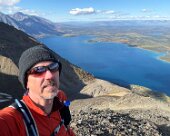
Our next destination was Kathleen Lake. We looked for a suitable wild camping spot but eventually settled on the established campground there. The next day we took up the King’s Throne trail and it was quite the climb the entire way but ever more fantastic panoramic views. Darlene tapped out around 4100 feet but I continued for a while longer (4900 ft) before deciding it was getting late and the trail feeling more precarious on my own.
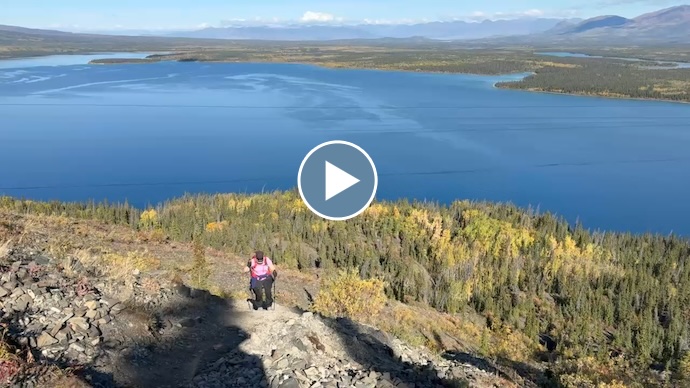
Half-way up the Kings Throne Trail above Kathleen LakeA little video of our ascent of the King’s Throne trail
After the hike, we looked for a wild camping spot off the highway by following a rough fishermans road along Quill Creek until we picked out a nice open sky spot. That evening we were treated to a spectacular aurora display. (I’ve broken out a description of what we saw in a separate post here.) We had already decided that we needed to start making our way back home but that aurora display was a wonderful topper for our whole Canadian road trip.
Out of Jasper, we could have chosen to go north to join the Alaska Highway (ALCON) out of Dawson Creek but we decided to go west first to get to Stewart on the coast in time to possibly see grizzlies feasting on the salmon run before then turning north on the Stewart-Cassiar Highway for the Yukon.
Along the way, we overnighted in Prince George and, after our detour to Fort St. James for the chicken races, we camped overnight near the town of Smithers and put in an afternoon ride on some of their mountain bike trails. The next day we made another detour to go south on the Cassiar Highway to visit Terrace which also had some nice biking trails. After our ride we tried to find a campsite at this little lakeside park on the shore of Kitsumkalum Lake but it was overrun with weekend revelers. Giving up the lake shore we found a crazy sweet and secluded fishing spot along the river downstream.
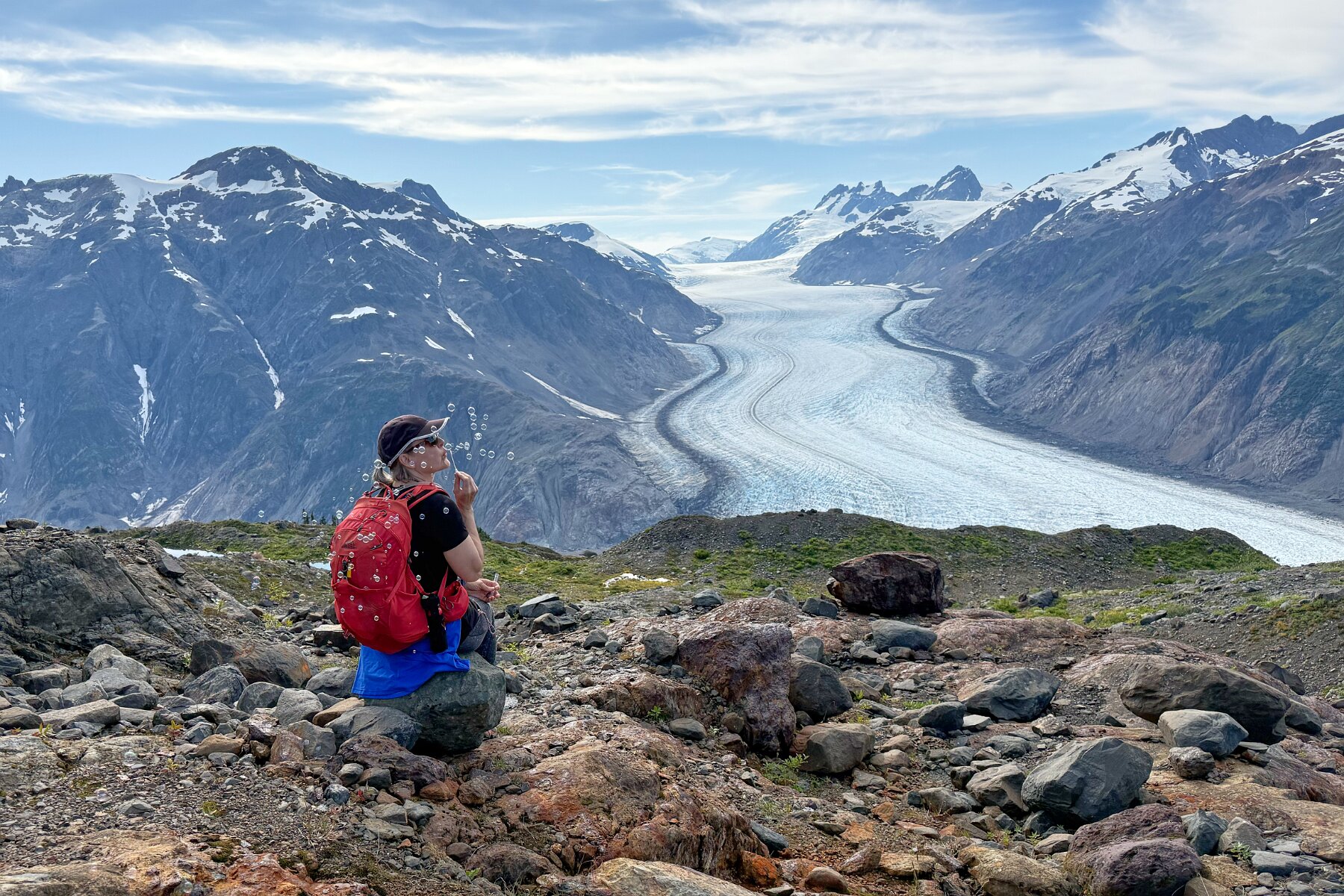
Eventually though we made it to Stewart, BC and then just across the border and through Hyder, Alaska to a camping area near the Fish Creek Wildlife Observation Site after dark. The recommended viewing times are at dusk and dawn but we showed up late the following morning and missed out on a sighting, not realizing that Hyder was an hour ahead of British Columbia time. However, we spent the day following the dirt road north to admire the massive Salmon Glacier and do some hiking.
In view of the Salmon Glacier
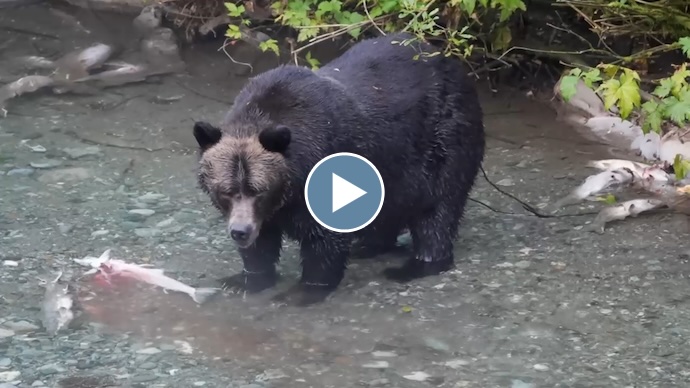
That night we did luck out and get to see a grizzly bear make her away along the creek apparently looking for just the right salmon to feast on. The next morning, well before sunrise, we were among the first to arrive and once again got to watch the same bear. After these two successful sessions, we decided to move on and follow the Stewart-Cassiar Highway on north to the Yukon.
Grizzly (brown bear) at Fish Creek near Hyder, Alaska
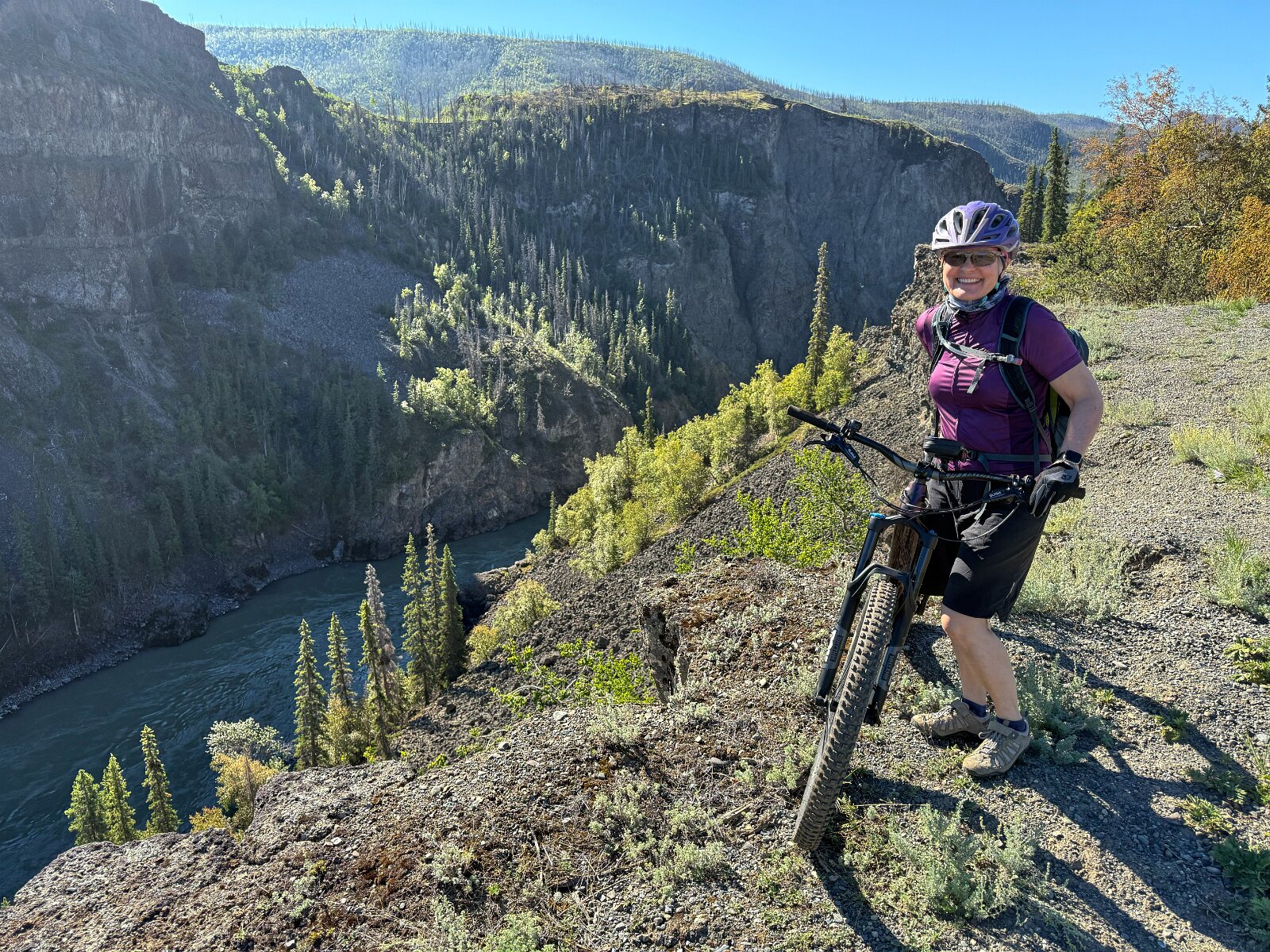
The northern part of British Columbia is seriously remote and there are few opportunities for sightseeing, at least not by any roads. We did make another multi-day detour down a very long stretch of unpaved road to see and bike along the accessible part of the “Grand Canyon of the Stikine”.
Stikine River Canyon
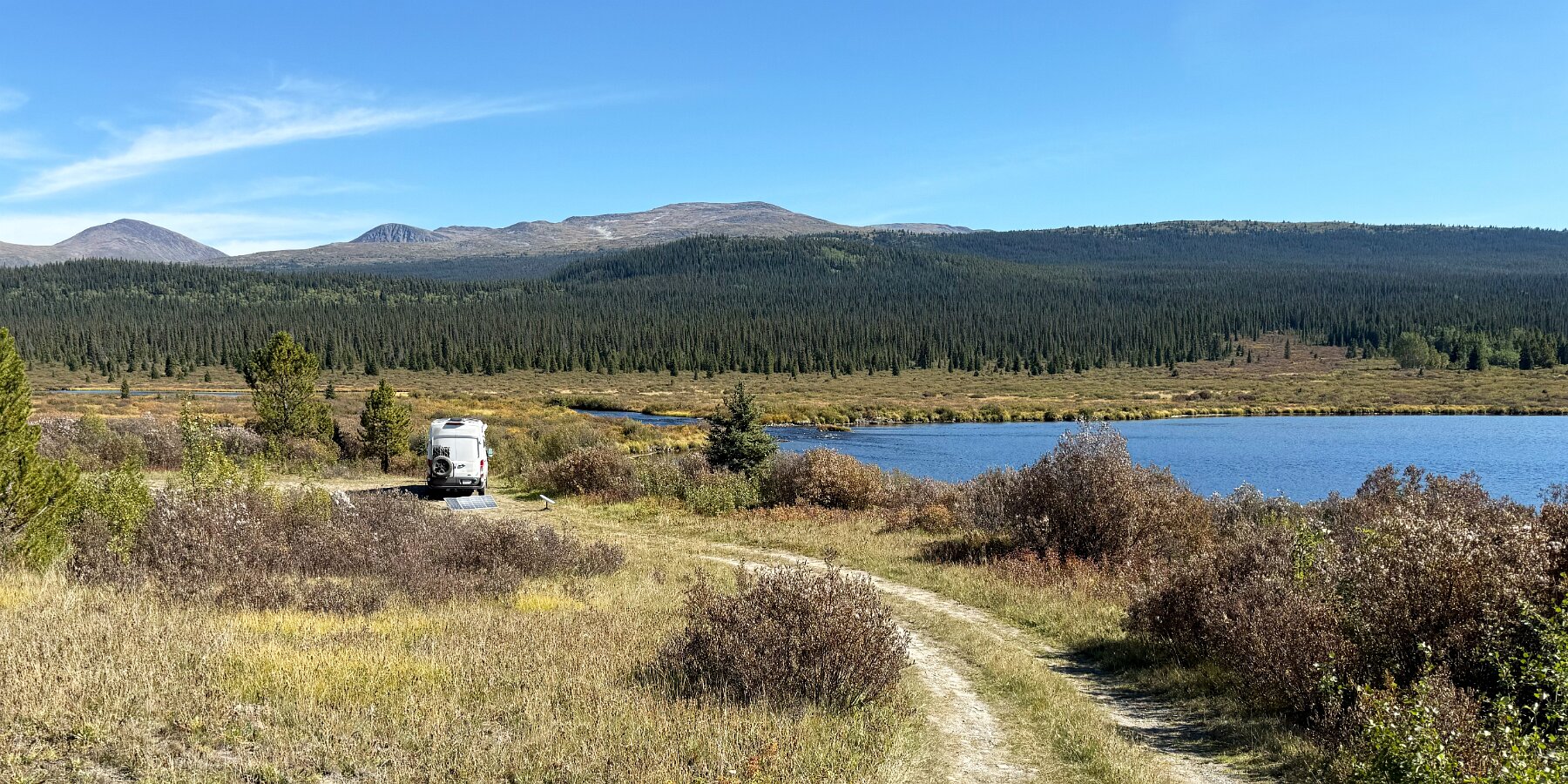
Continuing north along the Cassiar Highway, we eventually joined the Alaska Highway (or ALCAN) to head further west towards the Yukon and Alaska. Then we took a detour south again into British Columbia to visit Atlin Lake and found a really nice wild camping spot alongside an unnamed lake on Fourth of July Creek near the McDonald Lake Recreation Site. We stayed two nights, did a little hike towards the nearby mountains but didn’t go very far and had a nice little auroral display one night.
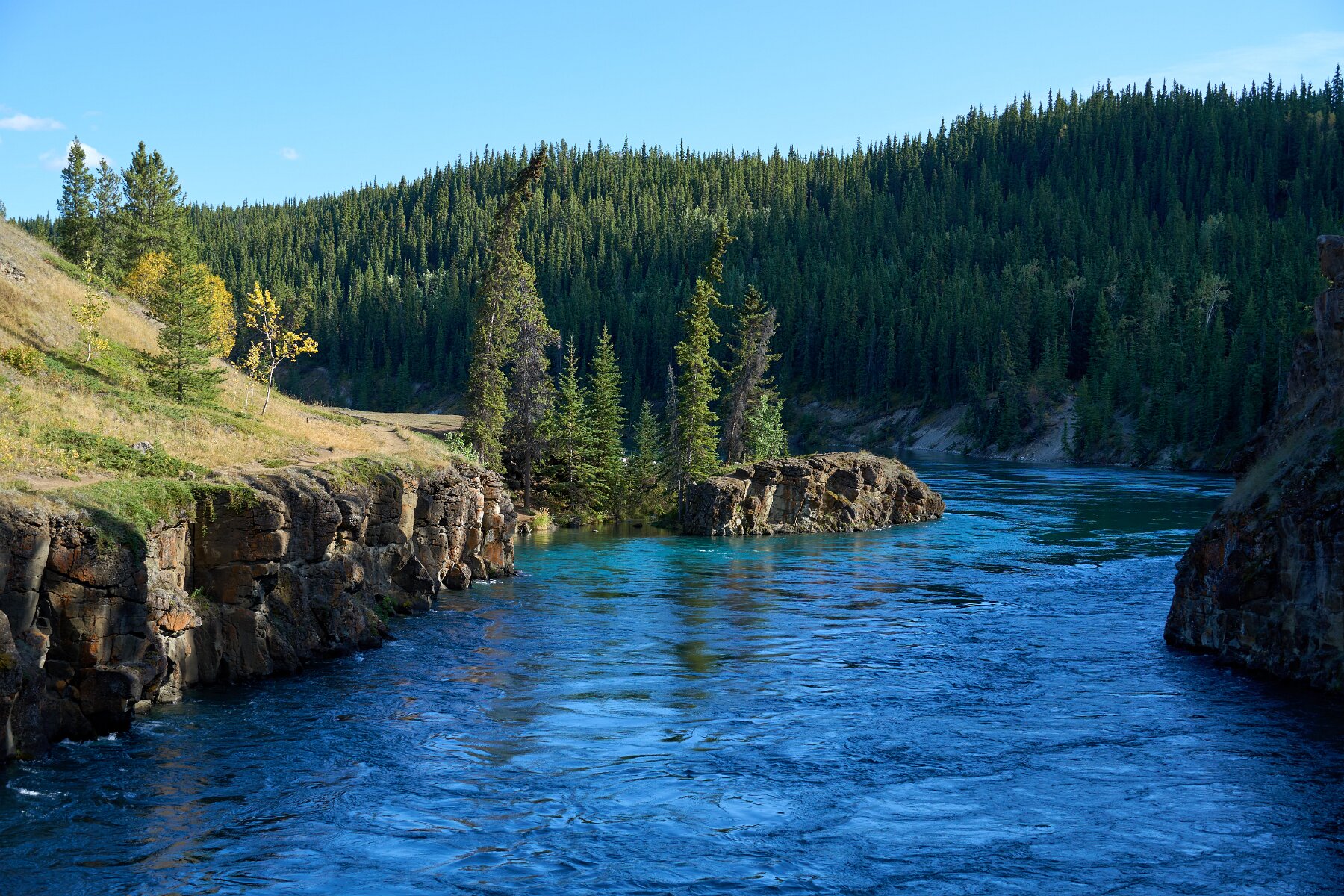
Returning to the Alaska Highway, we decided to make an extended side trip down to Skagway. After that we eventually reached Whitehorse where we stayed in a hotel for a couple of nights, checked out some local museums and exhibits (particularly on the Klondike Gold Rush), ventured out on some local mountain biking trails (there’s tons around Whitehorse) and went to see Miles Canyon.
Miles Canyon outside Whitehorse
After Whitehorse, we continued west on the Alaska Highway towards Kluane National Park.
We saw the signs along the highway: “Fort St. James – World Class Chicken Racing”. Okay, after looking it up online… so it would be an hour out of our way round trip, but hey, it’s chicken racing… world class!
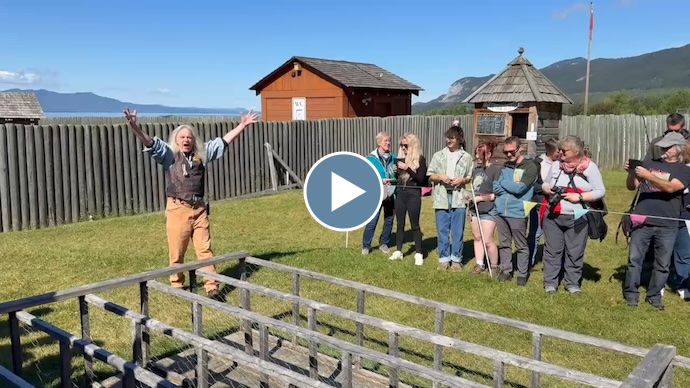
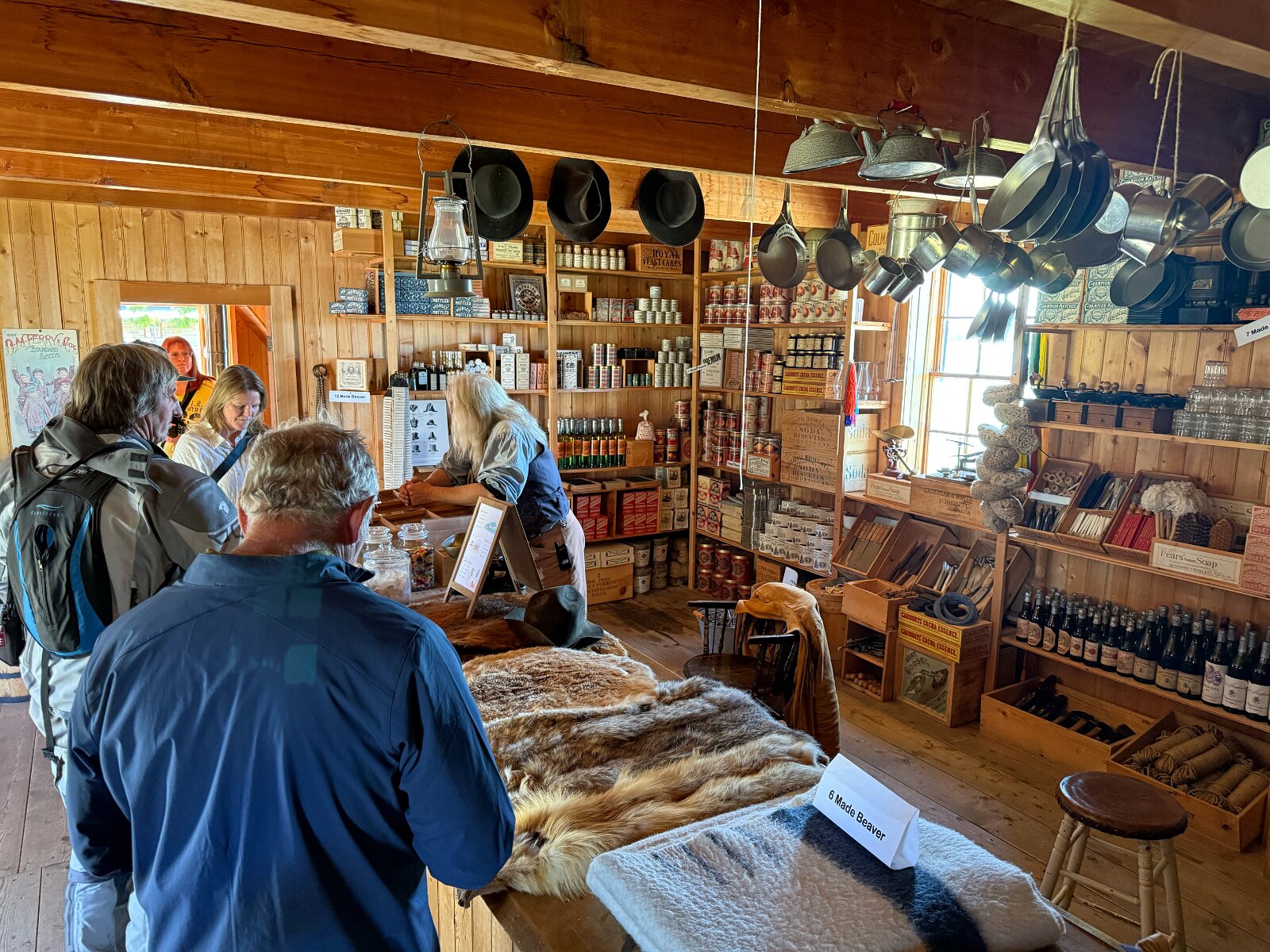
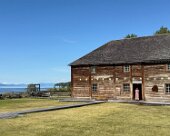
So off we went… it was fun! And the Fort St. James Historic Site, a restored Hudson’s Bay Company fur trading post, was great and interesting to visit too!
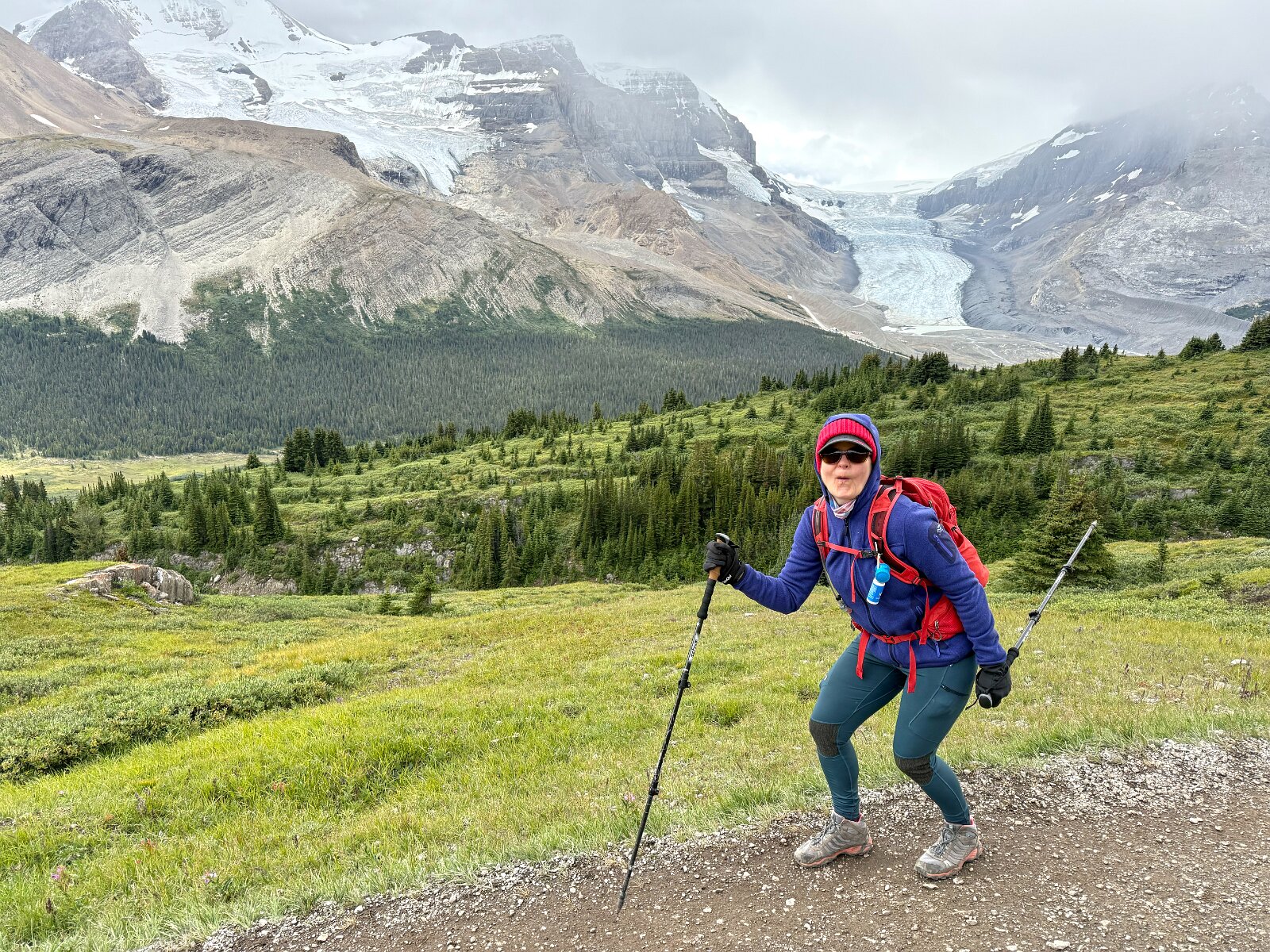
Continuing north along the Icefields Parkway in mid-August, we eventually came up the Sunwapta Pass into Jasper National Park in sight of the Athabasca Glacier pouring over from the massive unseen Columbia Icefield. We ate at the Glacier View Lodge and viewed the exhibits but passed on the bus tours to the glacier. Instead we stayed a couple of nights at the Wilcox Creek campground near the boundary between Jasper and Banff National Parks.
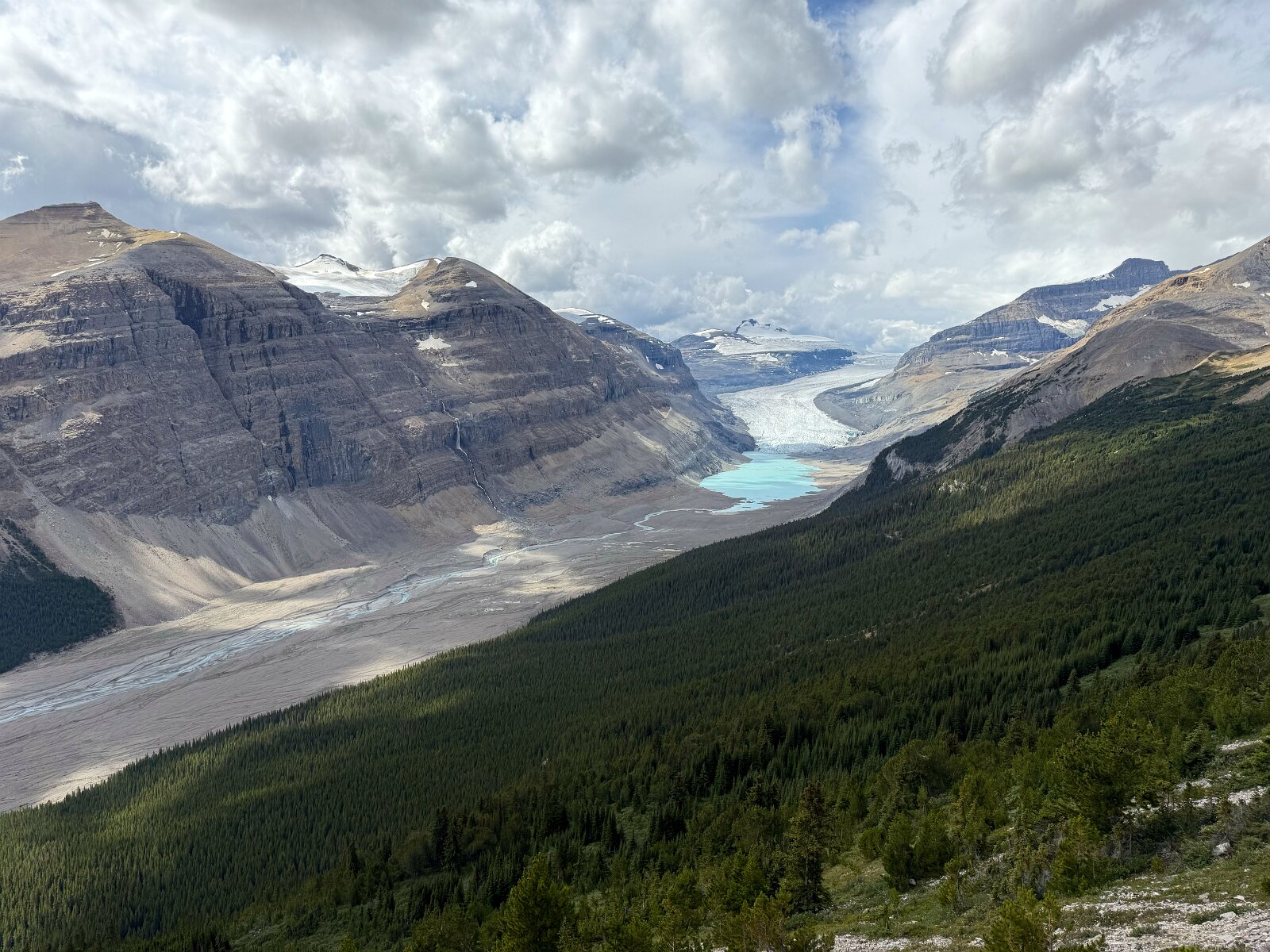
Saskatchewan Glacier Valley
We had a great hike from the campsite up the Wilcox Pass Trail for more views of the Athabasca Glacier and surrounding mountains and we came across a herd of bighorn sheep. Later that day, we explored a bit more over the boundary into Banff NP and happened upon the very cool Panther Falls where the water is so thick with glacial silt (or rock flour) that it’s plastering all the rocks and trees white below the falls and along the creek. Another great hike was up to Parker Ridge (also technically in Banff National Park) and the stupendous view of the Saskatchewan Glacier Valley.
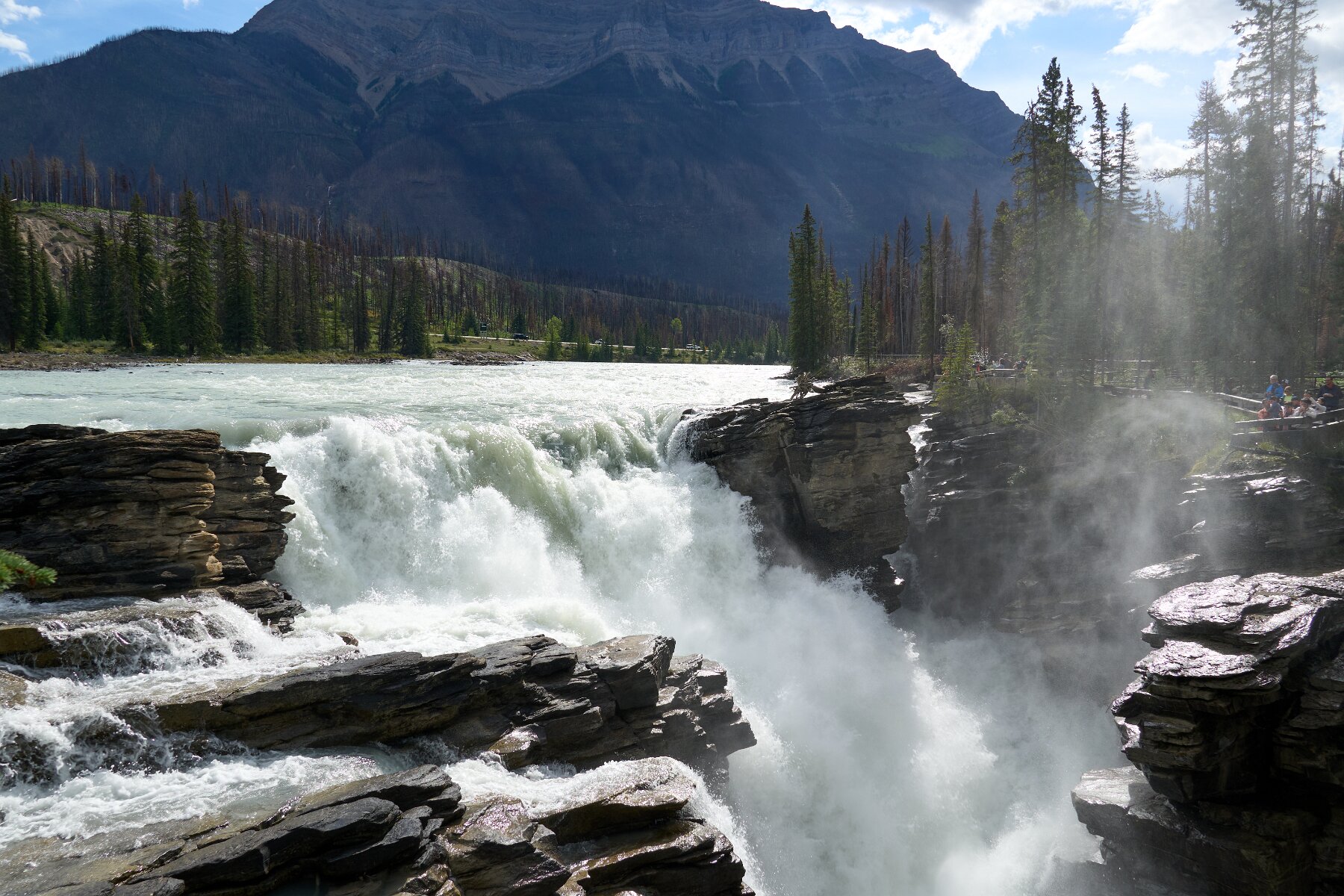
Athabasca Falls
We then continued north stopping at Sunwapta Falls and the quite fantastic Athabasca Falls before reaching the town of Jasper. We could see the remnants of the wildfire that burned down a third of the town and some 96,000 surrounding acres last year. We had meals in Jasper but stayed in a campsite to the east of town in a little ways. We tried to visit the popular Maligne Canyon but the fire had also burned through that area and it was still closed to visitors due to hazards.
From Jasper we decided to continue on our way by traveling west through Prince George to get to Fish Creek near Stewart where there is a viewing platform to potentially see grizzly bears feasting on the salmon run at this time of year. We stopped for lunch and to see the visitor center exhibits (and a very interesting video about dealing with grizzlies) in Mount Robson Provisional Park.
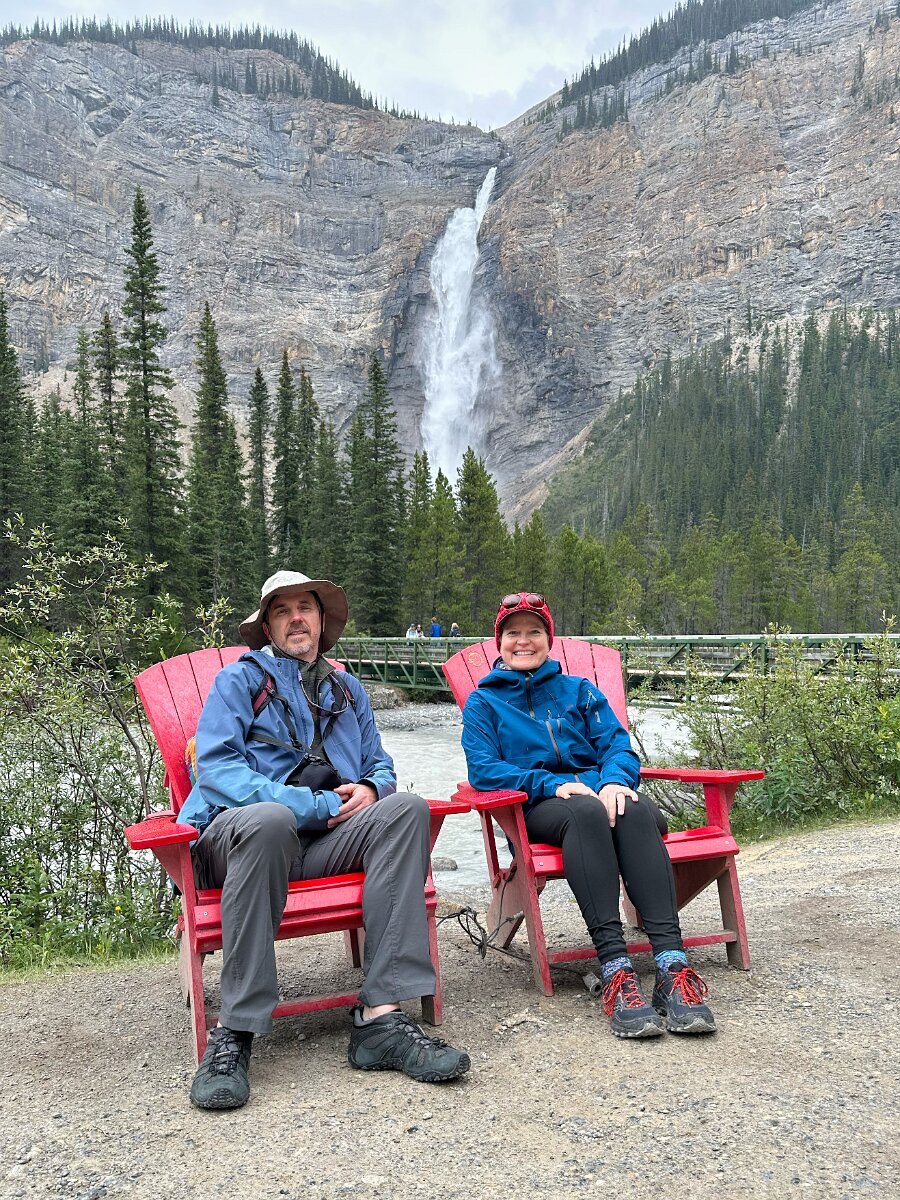
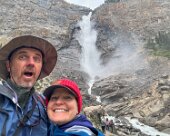
After visiting sights between Banff and Lake Louise, we decided to detour over to neighboring Yoho National Park for a few days. First we came upon a small crowd of folks awaiting the passing of a train through the spiral tunnels that climb Kicking Horse Pass. We then continued on to see the Takakkaw Falls, one of the tallest waterfalls in Canada before returning to our Kicking Horse campsite.
Photo op in the red Adirondack chairs below Takakkaw Falls
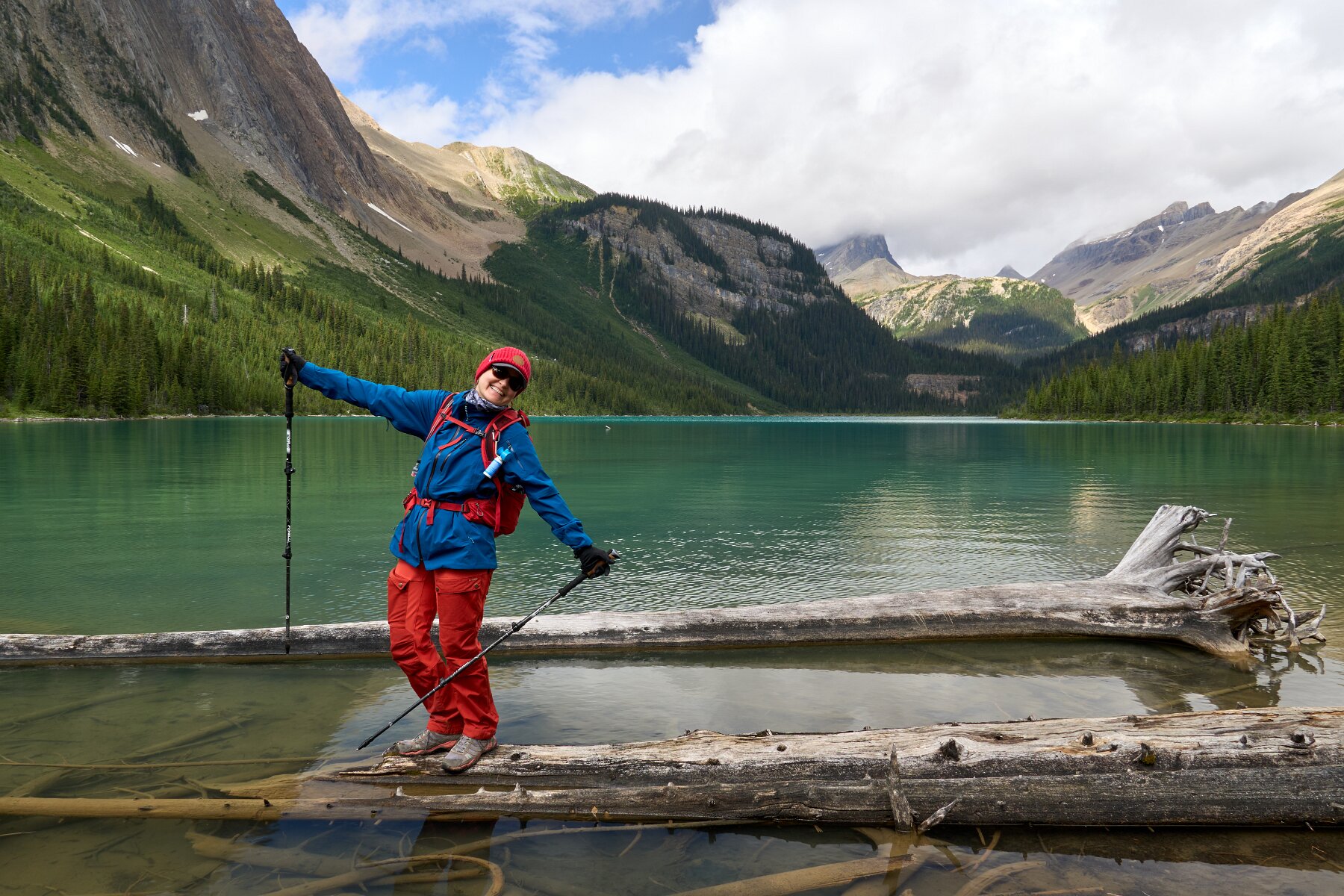
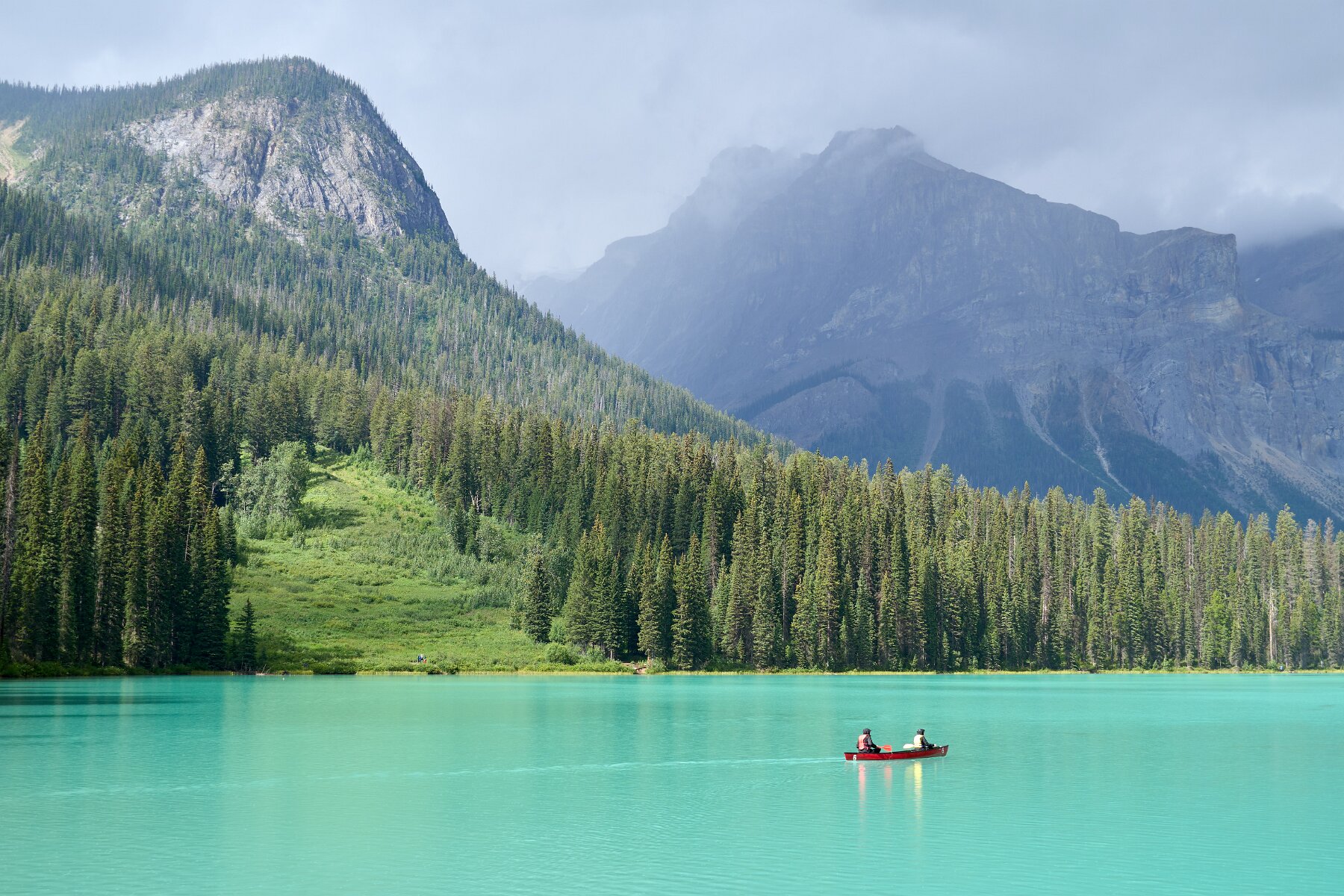
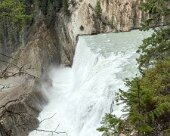
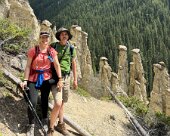
The following day we had a nice quiet hike up to Sherbrooke Lake, visited the town of Field and strolled around Emerald Lake late in the afternoon – which is another beautiful and popular (and thus very busy) destination. We drove all the way out to the town of Golden for dinner before heading back to find a wild camping spot along a forest service road that skirted the edge of the park boundary. We hiked down from our campsite the next day to see the wide and roaring Wapta Falls. We moved to a new campsite in the park the next day and hiked up the Hoodoo Creek trail to see the views and a group of hoodoo formations.
Emerald Lake
There was plenty more to see in Yoho and I would’ve liked to experience a long day on the Iceline Trail but instead we returned to Banff National Park to continue our road trip north.